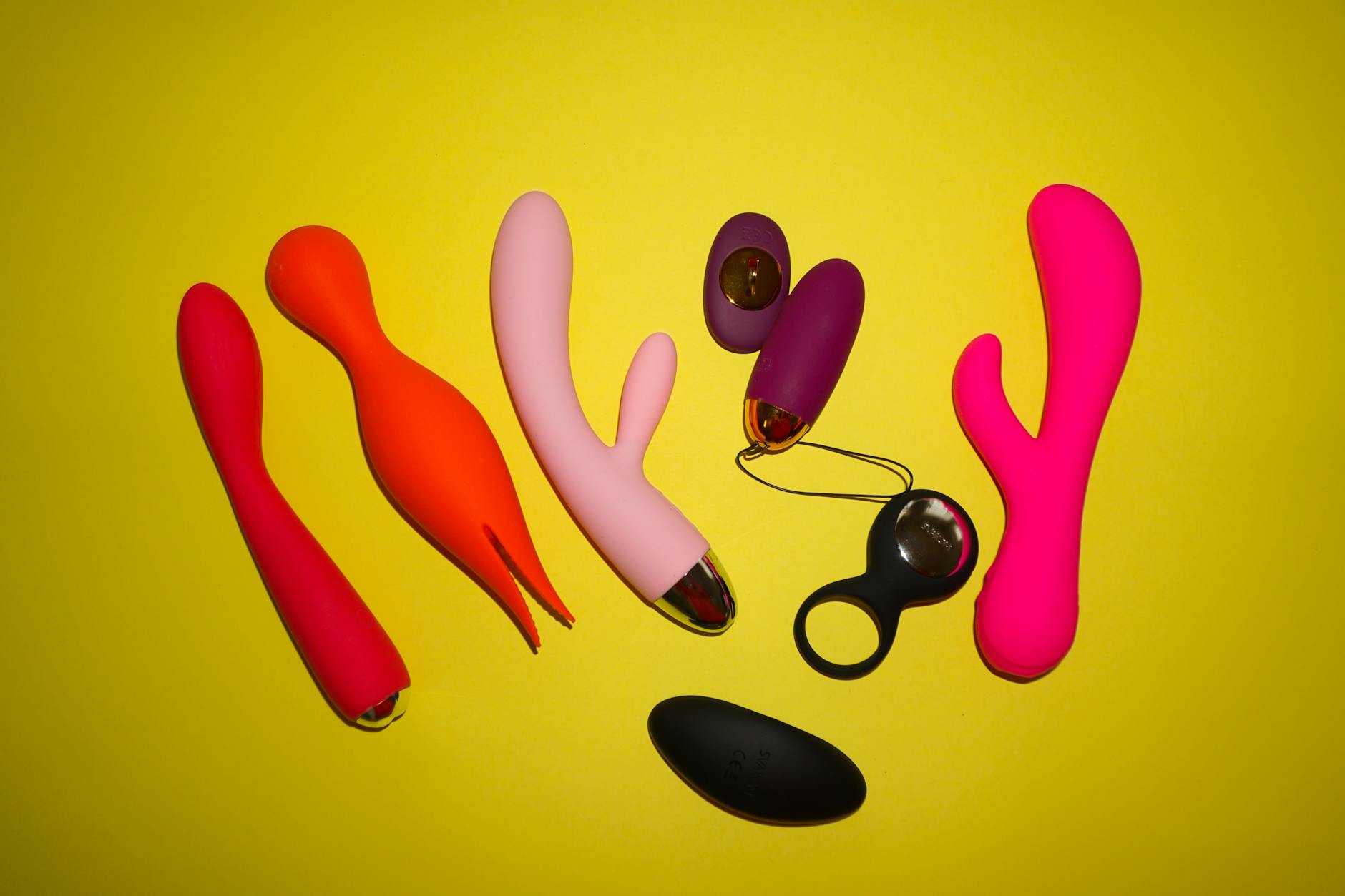
How to Use Lemon Vibrators for Better Orgasms After Years of Difficulty
If you've spent years struggling to come or feeling numbness during sex, your nerve endings aren't broken. They've just been waiting for the right approach.
If you've spent years struggling to orgasm or feeling like the sensation just isn't there anymore, you've probably internalized a story: your body is broken, or you're one of those people who just can't. Neither is true. What's actually happening is usually one of three things. Your body has adapted to the same stimulus over years (neural desensitization). Your arousal pathway needs a different kind of signal than what you've been using. Or the rhythm and pressure you're getting doesn't match what your nervous system is wired to receive.
Lemon clitoral vibrators, specifically ones that use suction rather than direct vibration, work differently. They pull and release instead of pound and buzz. For people who've lost sensation or struggled with orgasm for years, this shift can be the difference between nothing and everything.
Your clitoris has about 8,000 nerve endings concentrated in a tiny area. When you stimulate them the same way for years, your nervous system gets efficient. Too efficient. It stops registering the signal as novel or important, and your brain tunes it out. This isn't laziness or aging or anything wrong with you. It's adaptation. Your nervous system is doing exactly what it's designed to do.
The fix isn't more vibration. It's a different kind of vibration.
Traditional vibrators use oscillation. The toy moves back and forth very fast. Lemon suction toys use a pulling and releasing motion. Instead of grinding sensation, you get rhythmic pressure change. Your nerves have to relearn how to interpret the signal, which means they stop autopiloting past it. Novelty rewakes attention.
Research on clitoral stimulation shows that different frequencies and patterns activate different nerve clusters. If you've been using the same pattern, you've been activating the same clusters. Suction vibrators stimulate more of the broader clitoral tissue, not just the tip. That wider activation pattern can unlock sensation in areas that have been quiet for years.
The first time you use a lemon vibrator, the sensation will feel strange. Not bad, just unfamiliar. You're not used to pulling rather than vibrating. The rhythm is slower, the pressure feels concentrated but not intense, and there's almost a massage quality to it.
Start at the lowest setting. With a lemon clitoral vibrator like the Lem, pattern one is barely noticeable. That's intentional. You want your body to start registering the signal again without overwhelming anything. Spend a full session just getting used to the feel at low intensity.
Many people report that the first real sensation shift happens in the second or third session. Your nervous system needs a moment to recalibrate. You might feel tingling, a pulling sensation, or warmth spreading that you haven't felt in years. That's the reawakening. Don't chase orgasm yet. Just notice.
Honestly though, if you've been numb for five years, you probably won't have a thunderbolt orgasm in session one. But you might feel something shift by week two or three of regular use.
Here's what the timeline usually looks like:
Weeks 1-2. Sensation returns in small ways. Tingling. Warmth. A feeling of pressure you'd almost forgotten about. You might not orgasm, but you're definitely feeling more than before.
Weeks 3-4. The body starts to anticipate. Arousal builds faster. You might find yourself close to coming but not quite tipping over. This is actually progress, not frustration. Your nervous system is remembering how to climb toward orgasm instead of flatning out.
Weeks 5-6. The first orgasm often arrives as a surprise. It might be smaller than you remember. That's fine. You're rebuilding. Each one after tends to feel a bit stronger.
Weeks 8+. Most people report that orgasms feel fuller and more present. The sensation isn't just concentrated at the tip anymore. It spreads.
This isn't a guarantee. Bodies are individual. But this is what I see most often in my practice.
With a lemon clitoral vibrator, you have options. Most have at least three or four patterns. Your instinct will be to jump to the fastest, strongest setting. Don't. That's how you ended up numb in the first place.
Start with pattern one. Use it for three full sessions before moving to pattern two. I know that sounds slow. It is. It's also how your nervous system relearns.
When you do switch patterns, stay in the medium intensity range for at least two weeks. Your body is remembering how to respond. Too much sensation too soon will feel like noise instead of signal.
Pattern two or three usually has a pulse rhythm. That's ideal for rebuilding sensation because it mimics the natural build of arousal. Your heart rate increases during arousal, and a pulsing toy echoes that. Your nervous system recognizes it as part of the arousal sequence instead of an external intrusion.
Lubrication matters here too. Even if you've never needed it before, use it now. Thinner tissues (which you might have after years of reduced estrogen from stress, or from other factors) benefit from external lubrication. It reduces friction and lets the suction sensation come through more clearly. Water-based works best with silicone toys. Apply it fresh every few minutes if needed.
This is the part nobody talks about enough. If you've spent years unable to come, you've probably built a narrative around it. Maybe you told yourself you're broken, or you're not the kind of person who has good orgasms, or it's just not happening for you anymore.
That narrative lives in your nervous system. Your body listens to what you believe about it.
The first few sessions with a new approach, your job isn't to orgasm. Your job is to notice without judgment. Notice sensation. Notice where you feel pleasure. Notice where you feel tension. This shifts you from goal-focused (which tenses you up and makes orgasm harder) to exploration-focused (which relaxes your nervous system and makes sensation easier).
If you're in a relationship, let your partner know you're rebuilding. Not as a request for help, but as information. Sometimes partners misread lack of immediate response as lack of interest, and their own frustration can block you further. Just say: I'm retraining my nervous system. It takes time. This has nothing to do with how I feel about you.
If you're solo, give yourself permission to go slow. Mute notifications. Dim the lights. Set a timer for 20 minutes and just sit with the sensation. No goal. No performance.
Once you've rebuilt baseline sensation (usually weeks 4-6), you can start experimenting with higher settings or combining patterns.
Some people find that alternating patterns works better than staying in one. Two minutes on pattern two, then switch to pattern three, then back. This keeps your nervous system engaged instead of adapting again.
Others find that adding external stimulation helps. If you're using a lemon clitoral vibrator on the clitoris, light touch on other areas (inner thighs, labia, perineum) can create a fuller sensory experience. Your pleasure doesn't live only in one nerve cluster.
You can also experiment with positioning. Some people find that lying on their back works differently than sitting up. Some find that being face-down changes how the sensation registers. Try three or four positions before deciding what works.
A lot of people report that when they rebuild sensation after years, their experience of pleasure changes. Orgasms feel different. Sometimes bigger, sometimes smaller, sometimes just different in quality. That's normal. You're not remembering an old sensation. You're creating a new one with a nervous system that's been through life changes since the last time you felt this.
Don't compare it to what you remember from ten years ago. Meet it as what it is now.
Some people find that they need their partner involved in a new way. If sex has felt mechanical for years, rebuilding sensation solo first gives you permission to rediscover what actually feels good. Then bring that knowledge back to partnered sex. That changes everything.
If you've given it six weeks and you're still not feeling much, three things to check.
First, is there pain? Not just numbness, but actual discomfort during arousal or attempt at penetration? That's a signal to talk to a doctor. Pelvic floor dysfunction, scar tissue, or hormonal changes can block sensation. These are fixable, but they need professional assessment.
Second, what's your stress and sleep like? Your nervous system can't recalibrate if it's in survival mode. If you're sleeping four hours a night and working 60-hour weeks, your body isn't going to rewire toward pleasure. That's not a personal failure. That's physiology. Address the stress first, rebuild sensation second.
Third, are you still using the same patterns and settings? If you've moved to level four out of four after two weeks, you've probably recreated the same desensitization. Go back to level one. Slow down. Your nervous system needs boredom, not excitement, to reset.
Real progress feels different each time. You notice new sensations. Tingling in places you didn't feel it before. A rhythm that makes your heart rate spike. Arousal that builds instead of flatlines. Placebo is consistent, predictable, and doesn't actually build toward anything. Real sensation is surprising. Go with surprise.
Every other day is ideal. Your nervous system needs time to process what it's learning. Using it daily can recreate the adaptation problem you're trying to fix. Three to four sessions per week for the first month, then reassess.
Embarrassment usually means you haven't explained what's actually happening. Tell them: My nervous system adapted to old patterns and stopped responding. I'm retraining it. This takes time and slower stimulation than before. If they understand the why, they can hold space for the how. And honestly, partners who get to watch sensation come back often feel more connected, not less.
Completely normal. You're rebuilding from a place of numbness. Small sensation is still a win. Small orgasms are still orgasms. They usually get stronger over the next few weeks. Don't let the first weak one convince you it didn't work.
Maybe, but talk to a trauma-informed therapist first. Rebuilding sensation after trauma requires a particular kind of gentleness and control. A clitoral vibrator might be exactly the right tool, or it might need to wait. Your therapist can help you figure out which.
Eight to twelve weeks for most people to feel a real shift. Six months to feel like this is your new baseline. A year to feel like you've fully reclaimed your pleasure. But you'll notice shifts way earlier. Trust the small changes.
Years of difficulty doesn't mean your body has lost the ability to feel or come. It means your nervous system adapted to a stimulus it stopped finding interesting. That's reversible. Using a different kind of clitoral vibrator, approaching sensation with curiosity instead of goal, and giving your nervous system time to recalibrate can bring you back to a place where orgasm feels possible and pleasure feels real again.
This isn't about willpower or being broken. It's about matching the tool to the nervous system you have right now, not the one you remember from years ago.
If you're ready to rebuild, start slow. Be patient. Notice everything. Your pleasure is still in there. Sometimes it just needs a different signal to wake up.