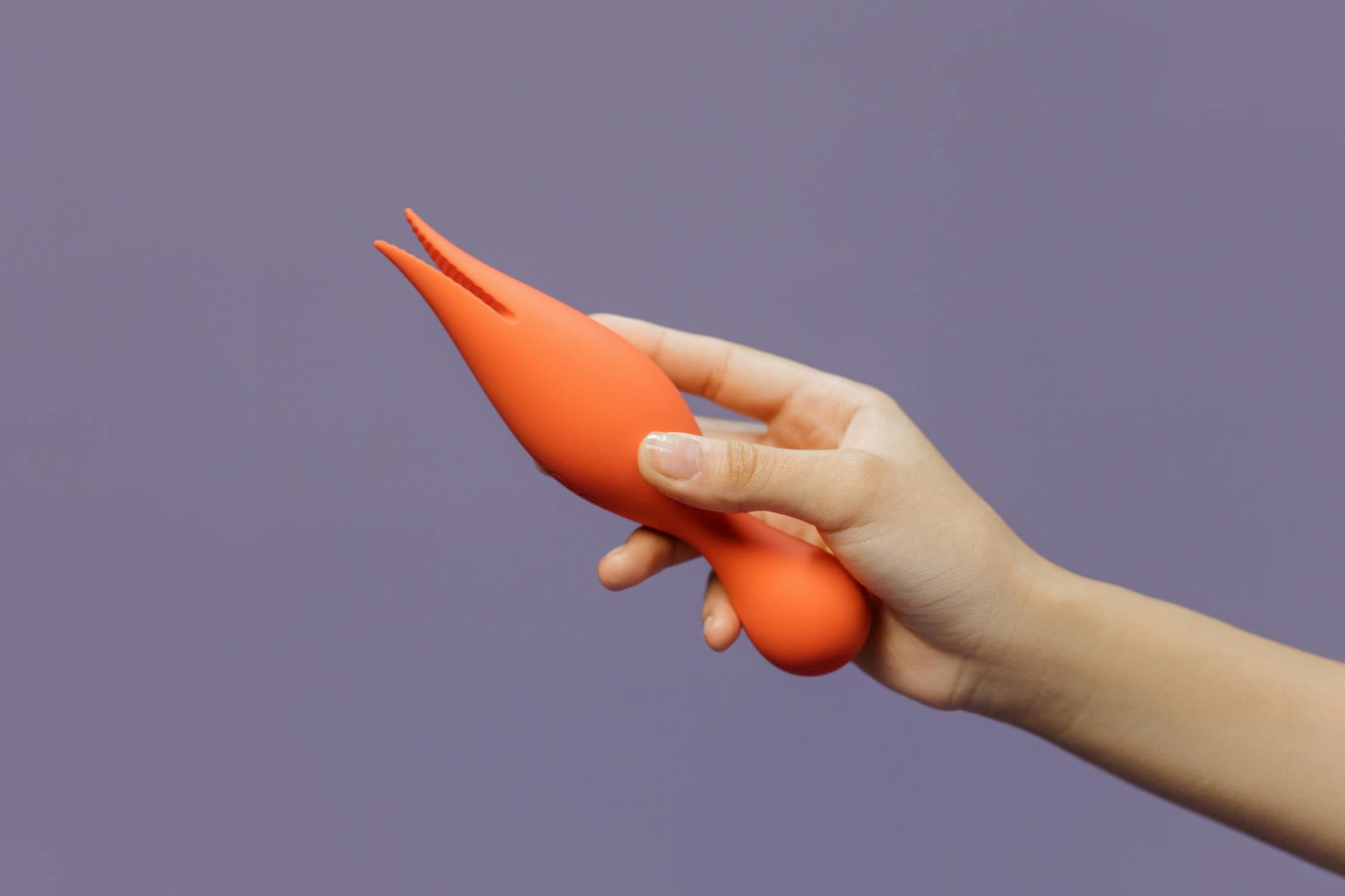
How to Use Lemon Vibrators if You're Recovering from Pelvic Floor Dysfunction
Pelvic floor dysfunction changes what feels good. Here's how to rebuild pleasure safely with lemon vibrators, the right timing, and techniques that actually work.
Here's the thing: pelvic floor dysfunction doesn't just affect how you pee or how often you need to. It affects arousal, orgasm, and whether pleasure feels good or like you're fighting your own body. Many people don't realize these are connected until they're trying to rebuild pleasure and nothing feels the way it used to.
Pelvic floor dysfunction is real, treatable, and incredibly common. The good news? You can absolutely use lemon vibrators during recovery. The better news? There's a smart way to do it that actually helps your healing instead of stalling it.
Your pelvic floor muscles are a hammock of tissue that supports your bladder, uterus, and bowel. When those muscles are tight (hypertonic), overactive, or weak (hypotonic), arousal becomes harder to reach. The muscles that should be relaxing and contracting rhythmically during pleasure either won't loosen up or can't engage properly. That's not a pleasure problem. That's a muscle problem wearing a pleasure disguise.
Many people with pelvic floor dysfunction describe sensation as muted, numb, or almost painful. Some say it feels like trying to orgasm through a wall. Others say sensation is hyperalert, meaning even light touch feels overwhelming or raw. Both are pelvic floor issues, not desire issues. Both are fixable.
The clitoris is directly connected to pelvic floor muscles through fascia and nerve pathways. When your pelvic floor is in pain or spasm, the nervous system tenses everything around it defensively. That defensive contraction blocks pleasure signals from getting through clearly.
If you're in active pelvic floor physical therapy, check with your PT before using any vibrator. Some therapists recommend waiting until after certain phases of treatment. Most will clear you once you've had a few sessions and understand your baseline. The key is knowing where you stand first.
Once you have clearance, start small. Your first goal isn't an orgasm. Your goal is to help your nervous system learn that pleasure touch is safe again. Think of it as retraining.
Start with the lowest setting. The Lemon Lem vibrator at pattern 1 or 2 is gentle enough for recovering tissue. You're not trying to stimulate intensely. You're trying to send calm, predictable signals to your pelvic floor.
Use it for 3-5 minutes. Not longer. Short sessions prevent fatigue and let you stop before frustration builds. You can session multiple times a week if it feels good, but quality beats duration every time.
Timing matters. Use your vibrator when your body is genuinely relaxed. Not when you're stressed or rushing. Evening, after a bath, when you're warm and your nervous system is calm. Cold tissues tense up. Warm tissues relax.
Forgot everything you know about using a vibrator for maximum sensation. That's not the goal here.
Instead, try this:
1. Start outside the vulva. Place the vibrator on your inner thigh or lower belly. Let the vibration travel through tissue without direct clitoral contact. This teaches your nervous system that vibration equals pleasure without triggering defensive contraction.
2. Move slowly toward the clitoris. After a minute or two, move the vibrator to the outer labia. Let it sit there. Move it back to the thigh. You're creating a mapping experience, not a stimulation race.
3. When you're ready for direct contact, use indirect stimulation. Place the vibrator on the clitoral hood or over the pubic mound instead of directly on the clitoris. Lemon vibrators are brilliant at this because their design distributes sensation more broadly than other clitoral vibrators.
4. Stay in one spot. Don't rub or move the vibrator around like you're searching for the right spot. Find a position that feels tolerable and let the vibration do the work. Movement adds friction your recovering tissue doesn't need.
5. Breathe consciously. This is not a throwaway detail. Breathing calms your nervous system and tells your pelvic floor "it's safe to relax." If you're holding your breath, your pelvic floor is tensing. Exhale fully.
The goal is sensation mapping, not sensation chasing. You're teaching your body that pleasure is a safe signal again.
Don't use vibration right after your pelvic floor PT sessions. Your muscles are already doing work. They need rest, not additional stimulation.
Don't push through pain. Sensation is one thing. Pain is your body saying stop. If a vibrator hurts, lower the intensity or stop. Pain during recovery means you're triggering defensive muscle contraction, which works against healing.
Don't compare your recovery timeline to anyone else's. Some people move from pain-free sensation to full pleasure in weeks. Others take months. Your nervous system heals at its own pace. Rushing it doesn't speed it up.
Don't assume numbness means permanent. Nerve sensation takes time to recalibrate. Muted sensation often comes back as you rebuild the neural pathways between your pelvic floor and your brain. This is why consistent, gentle use of lemon vibrators actually helps. You're rewiring.
Once you can use your vibrator without pain for several sessions, your PT will probably give you clearance to increase. This is when you can experiment with stronger patterns on the Lem vibrator or longer sessions.
Week 3-4: Pattern 1-2, 5-8 minutes, 3-4 times weekly, light direct contact or indirect.
Week 5-6: Pattern 2-3, up to 10 minutes, as often as feels good, direct contact.
These aren't strict rules. They're guidelines. Your body will tell you what's ready. Listen to it.
Many people find that during recovery, their orgasms feel different. Shallower. More localized. Less full-body. This is normal. Your pelvic floor is relearning how to contract and release rhythmically. As the muscles strengthen and the nervous system recalibrates, sensation usually deepens again.
Honestly, the vibrator is one tool. The bigger tool is your nervous system learning to relax. Pelvic floor dysfunction often persists because the nervous system stays in defense mode. Vibrators help, but so does everything else.
Warmth, stretching, deep breathing, and removing time pressure all matter. If you're using a lemon vibrator but you're still stressed, rushing, or in a cold room, you're fighting yourself. Create an environment where relaxation is possible first. Then add the vibrator.
If you have a partner, let them know what's happening. Pelvic floor recovery is a body conversation, not a performance. If penetration or external pressure feels bad right now, that's information, not failure. Work together on what does feel good. Often that's simply touch, presence, and patience while you rebuild.
Yes, but gently. Hypertonic muscles need calming, not intense stimulation. Use the lowest setting, keep sessions short (3-5 minutes), and focus on relaxation breathwork while using it. Some PTs recommend pairing vibrator use with pelvic floor relaxation exercises so the muscles get both permission and practice relaxing. Check with your physical therapist about timing and technique for your specific case.
That depends on severity and how long you've been in therapy. Some people feel pleasure returning within weeks. Others take 2-3 months before an orgasm feels possible again. This is not a linear process. You might have one great session and then several harder ones. That's normal. Your nervous system is recalibrating. Patience matters more than pushing.
Not if you use it correctly. In fact, gentle, consistent vibrator use can help your nervous system relearn that pleasure is safe. The key is keeping intensity low and sessions short in early recovery. High intensity or long sessions might trigger defensive muscle contraction, which works against healing. Talk to your PT about what's safe for your stage of recovery.
If pain is your primary symptom right now, hold off on vibrators until your PT says you've moved into the desensitization or strengthening phase. Pain during recovery means your nervous system is still in protection mode. Introducing vibration might intensify that defensiveness. Once pain has decreased and sensation begins returning, vibrators become much more useful.
Start with pattern 1 or 2. These offer gentler, more rhythmic stimulation that helps your nervous system relax rather than arousal-focused patterns that demand more engagement. As your recovery progresses and your PT gives clearance, you can experiment with other patterns. Most people find patterns 1-3 most helpful during recovery.
Yes, almost always. Lubrication reduces friction and makes contact feel safer to your nervous system. Use a water-based lubricant. Apply it generously. If you're using the vibrator over the clitoral hood or pubic mound (which is common during recovery), lube still helps because it reduces any drag or pulling sensation that might trigger tension. Let the vibrator slide smoothly. Friction works against relaxation.
Pelvic floor dysfunction is not a permanent sentence on pleasure. It's a temporary shift in how your body works. With the right guidance, patience, and tools, most people rebuild sensation and orgasm. Lemon vibrators, used correctly during recovery, can actually speed that process by helping your nervous system relearn that pleasure is safe.
If you're in recovery right now, you're already doing the hard work by seeing a pelvic floor PT. The vibrator is just support. Trust the process. Your body is smarter than it feels right now.
If you have questions about how to integrate pleasure tools into your recovery journey, reach out. We're here to help.