How to Use Lemon Vibrators Safely If You Have Vaginal Dryness
Vaginal dryness doesn't end your pleasure. Here's exactly how to use clitoral vibrators comfortably, what to avoid, and when dryness signals something worth treating.
Vaginal dryness and pleasure aren't mutually exclusive. But they do require a shift in how you approach lemon vibrators and clitoral stimulation. The good news is that dryness is one of the most manageable barriers to enjoyment, and air-suction vibrators like the Lem actually work really well once you understand what's happening.
Here's what nobody explains: dryness changes friction, sensation intensity, and comfort. It doesn't change your capacity for orgasm. Your clitoris still has all its nerve endings. Your arousal system still works. What changes is the surface texture around the vulva and the amount of natural lubrication your body produces. That's fixable.
Vaginal dryness comes from several sources. Hormonal shifts from menopause or birth control, medications like antihistamines, dehydration, stress, or autoimmune conditions can all reduce vaginal secretions. Some people experience it temporarily during specific life phases. Others deal with it long-term.
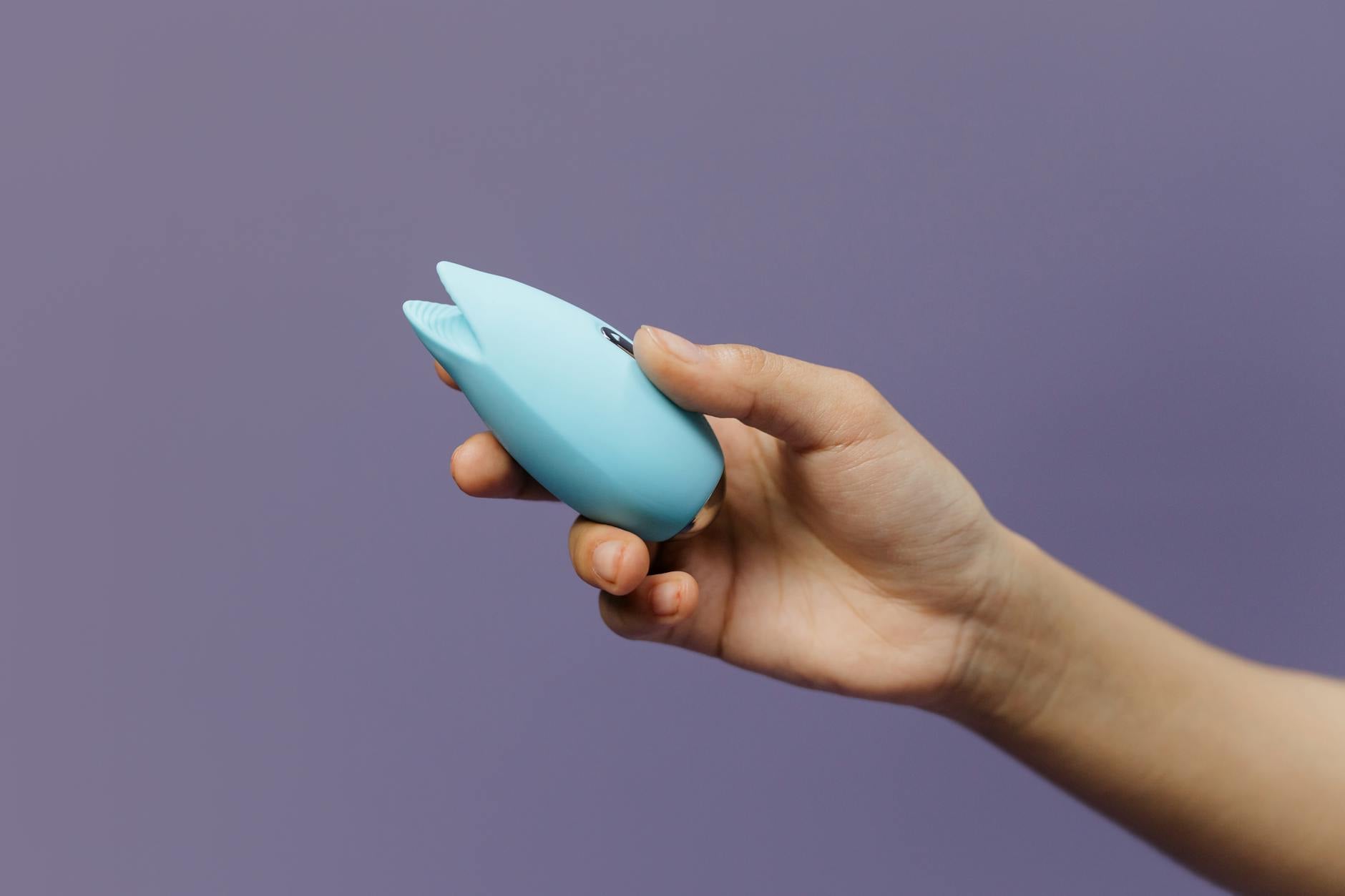
Here's where lemon vibrators specifically matter: they use suction and pulsation rather than direct vibration. That means they don't rely on friction the way traditional vibrators do. In theory, this should make them gentler on dry tissue. In practice, it requires the right preparation.
The problem isn't the Lem or any lemon clitoral vibrator itself. It's that dry tissue is more fragile. It tears more easily under pressure. It can feel raw or irritated if you skip the setup step. And suction, if applied to unprepared tissue, can create bruising or minor trauma you won't notice until the next day.
This is fixable. You just have to front-load the work.
If you have vaginal dryness, external lubrication isn't a nice-to-have. It's the foundation. Water-based lubricants are your safest bet with silicone toys because they won't degrade the material, but silicone-based lubes last longer and feel richer if you're willing to clean your toy more thoroughly afterward.
Apply it generously to the external vulva area and the head of the vibrator. We're talking more than you think you need. Dryness means less natural slip, which means you need to compensate with extra lube. This isn't a vanity thing. It's biomechanics.
Reapply halfway through if sensation dulls. Lube dries over time, and a clitoral vibrator that felt good at minute three might feel grabby at minute eight.
One more thing: if you're using a water-based lube with lemon vibrators, don't use it on days when you're prone to yeast infections. Water-based lubes can alter vaginal pH. If you have a history of recurring infections and also have dryness, ask your doctor which lube class is safest for you.
This is where most people mess up. Dryness makes everything feel less intense, so the temptation is to jump straight to pattern three or four on a lemon sucker and get frustrated when it doesn't feel like anything.
Don't do this. Start at pattern one. Let your tissue adjust. Intensity is built over time, not applied upfront.
With a Lem or other air-suction vibrator, the lowest setting is genuinely gentle. It's learning the sensation with minimal pressure. From there, move up every minute or two if you want more intensity. This approach serves two purposes: it prevents tissue trauma from sudden pressure changes, and it actually lets you feel more because your nervous system isn't bracing for impact.
If you're used to traditional vibrators, this will feel slow. That's fine. Dryness requires patience. Your pleasure is still there, it just takes a different path to reach it.
Arousal and lubrication are connected. When you're aroused, blood flow increases to the vulva, tissues plump slightly, and whatever natural lubrication your body can produce actually gets produced. This is true even if you have clinical dryness.
Mean that warm-up time isn't foreplay fluff. It's part of your lemon vibrator setup. Spend 10-15 minutes on other kinds of stimulation first: partner touch, mental fantasy, external massage, whatever gets you genuinely turned on. Then add the vibrator.
This gives your tissues time to respond and gives your body a chance to produce whatever natural lubrication is available to you. It also primes your nervous system so that when the Lem makes contact, your brain is already in the right place.
If you're using this solo, build your own warmup routine. If you're with a partner, make the warmup part of the ritual. It's not lost time. It's setup time.
This one is non-negotiable. If using a lemon clitoral vibrator or any adult toy causes sharp pain, burning, or rawness, stop immediately. Discomfort is your tissue telling you something isn't working.
Pain during or after vibrator use can mean several things. You might not have enough lubrication. You might have moved to higher intensity too quickly. You might have a skin condition like lichen sclerosus or lichen planus that makes the tissue more fragile. You might have an infection.
Any of these is worth talking to a gynecologist about, especially if dryness is new or worsening. Genitourinary syndrome of menopause (GSM), which causes both dryness and tissue thinning, is very treatable with topical estrogen creams. If you have an autoimmune condition causing dryness, there are treatments. If it's medication-related, there might be alternatives.
The point is this: pain means pause, not push harder.
Sometimes lube and technique adjustments are enough. Sometimes they're not. If you're following all the setup steps and still finding that dryness is limiting your pleasure or causing discomfort, it's worth a conversation with a doctor.
Topical estrogen creams (applied directly to the vaginal area) can make a real difference for post-menopausal dryness and tissue thinning. They're well-tolerated and have minimal systemic absorption. Many people notice improvement within a few weeks.
Hyaluronic acid suppositories or vaginal moisturizers used regularly can also help maintain tissue hydration over time, not just during sex.
If you're on medications that contribute to dryness (antihistamines, antidepressants, hormone treatments), ask your doctor if there are alternatives. Sometimes a switch in medication class solves the problem entirely.
This is collaborative care. You're not broken. You're just working with different tissue parameters, and there are evidence-based tools for that.
The Lem and other air-suction clitoral vibrators can feel amazing even with vaginal dryness, once you commit to the setup. The suction mechanism actually reduces the reliance on friction, which means less direct pressure on fragile tissue. But that advantage only works if you've prepared the ground.
Lube generously. Start low. Warm up first. Stop if something hurts. And talk to a doctor if dryness is new or severe. Those five things create the conditions where a lemon vibrator can do what it's designed to do: deliver intense, reliable pleasure without strain.
Your body isn't the problem. Your pleasure is still there. Sometimes it just needs a slightly different approach.
Yes, with the same precautions. Vaginal atrophy (tissue thinning from low estrogen) makes tissue more fragile, so extra lube, lower starting intensity, and longer warm-up time all apply. Many people with atrophy find that topical estrogen cream, used regularly before starting vibrator use, makes the experience much more comfortable. That's worth discussing with your gynecologist before you try any new toy.
Water-based lubes are safest with silicone toys because they won't break down the material. They're also good if you have a history of yeast infections, though repeated use can shift pH. Silicone-based lubes last longer and feel richer, but they require more thorough toy cleaning. Hyaluronic acid formulas are middle ground: they provide moisture, feel good, and work with any toy material. Start with whichever feels right and watch how your tissue responds over a week or two.
It depends on the cause. Hormonal dryness from menopause is usually persistent without treatment, but topical estrogen or regular moisturizer use helps significantly. Medication-related dryness often improves if you switch drugs. Stress or dehydration-related dryness can improve with lifestyle changes. Autoimmune-related dryness typically needs ongoing management. The point is to identify the cause, which requires a conversation with a doctor, not guessing.
Not directly from the vibrator itself if it's clean. But dryness already increases infection risk because the vaginal microbiome is stressed. Vigorous use on fragile, dry tissue can create tiny micro-tears that make infection more likely. This is another reason to prioritize gentleness, lubrication, and starting at low intensity. Keep your toy clean, use fresh lube, and if you notice discharge, odor, or burning after use, see a doctor.
No. Numbing lube masks pain, which is your body's signal that something isn't working. If you need numbing cream to tolerate vibrator use, that's a sign to pause and talk to a doctor about the underlying dryness. Comfort should be the goal, not numbness. Fix the dryness issue first, then revisit pleasure.
Water-based lubes typically stay effective for 10-20 minutes before they start to dry out. Silicone-based lubes last longer, sometimes 30-45 minutes, but depend on individual factors like body heat and friction. If you notice sensation changing mid-session, that's usually lube drying up. Reapply and keep going. It's completely normal and nothing to be self-conscious about.
Vaginal dryness changes the setup, not the outcome. You can absolutely enjoy lemon vibrators and experience intense pleasure even with significant dryness. The difference is preparation. Lube, low starting intensity, warm-up time, and pain awareness aren't extra steps. They're the smart way to use clitoral vibrators when your tissue needs extra care.
If dryness is new or worsening, or if you're struggling even with all the technique adjustments, reach out to a gynecologist. Many doctors trained in sexual health can help with topical treatments that make a real difference. Hello Nancy is here to support your pleasure. So is your doctor. Use both.
Ready to explore what works for your body? Let's talk through your specific situation at the link below.