How to Use Lemon Vibrators When You Have Vulvodynia or Chronic Pelvic Pain
Pain doesn't have to mean the end of pleasure. Here's what actually works when you're navigating a lemon clitoral vibrator with chronic pelvic pain, and why the gentlest approach often unlocks the most sensation.
Here's the thing: vulvodynia and chronic pelvic pain are wildly misunderstood. Your doctor might have suggested rest, your friends might have suggested "just relax," and you've probably heard some version of "your body is broken." It's not. Your nervous system is in protection mode, and that changes how sensation works. But it doesn't end it.
That's the opening you need to know about. Pleasure is still available. It just requires a different approach than what you've probably tried before. And a lemon clitoral vibrator, used thoughtfully, can actually be one of the gentlest tools in your toolkit.
Vulvodynia is neuropathic pain around the vulva that arrives without obvious infection or skin disease. Chronic pelvic pain is broader, often involving the pelvic floor muscles, nerves, and surrounding tissues. Both create the same core problem: your nervous system has learned to interpret touch as threat. So even light stimulation can feel sharp, burning, or overwhelming.
Here's what doesn't happen: your capacity for pleasure doesn't disappear. Your nerve endings are still there. Your brain still responds to the right kind of stimulation. What changes is the threshold and the type of sensation your nervous system can tolerate without slamming on the brakes.
Most vibrators are too intense for this. They're designed for people whose nerves are asking for vigorous input. But if your nervous system is already in alarm mode, vigorous input just reinforces the pain signal. A lemon vibrator, which uses gentle suction instead of rigid vibration, changes that equation entirely.
Traditional vibrators create mechanical stimulation. They buzz, they buzz fast, and they buzz directly against sensitive tissue. For someone with vulvodynia, that can feel like someone poking an already raw nerve.
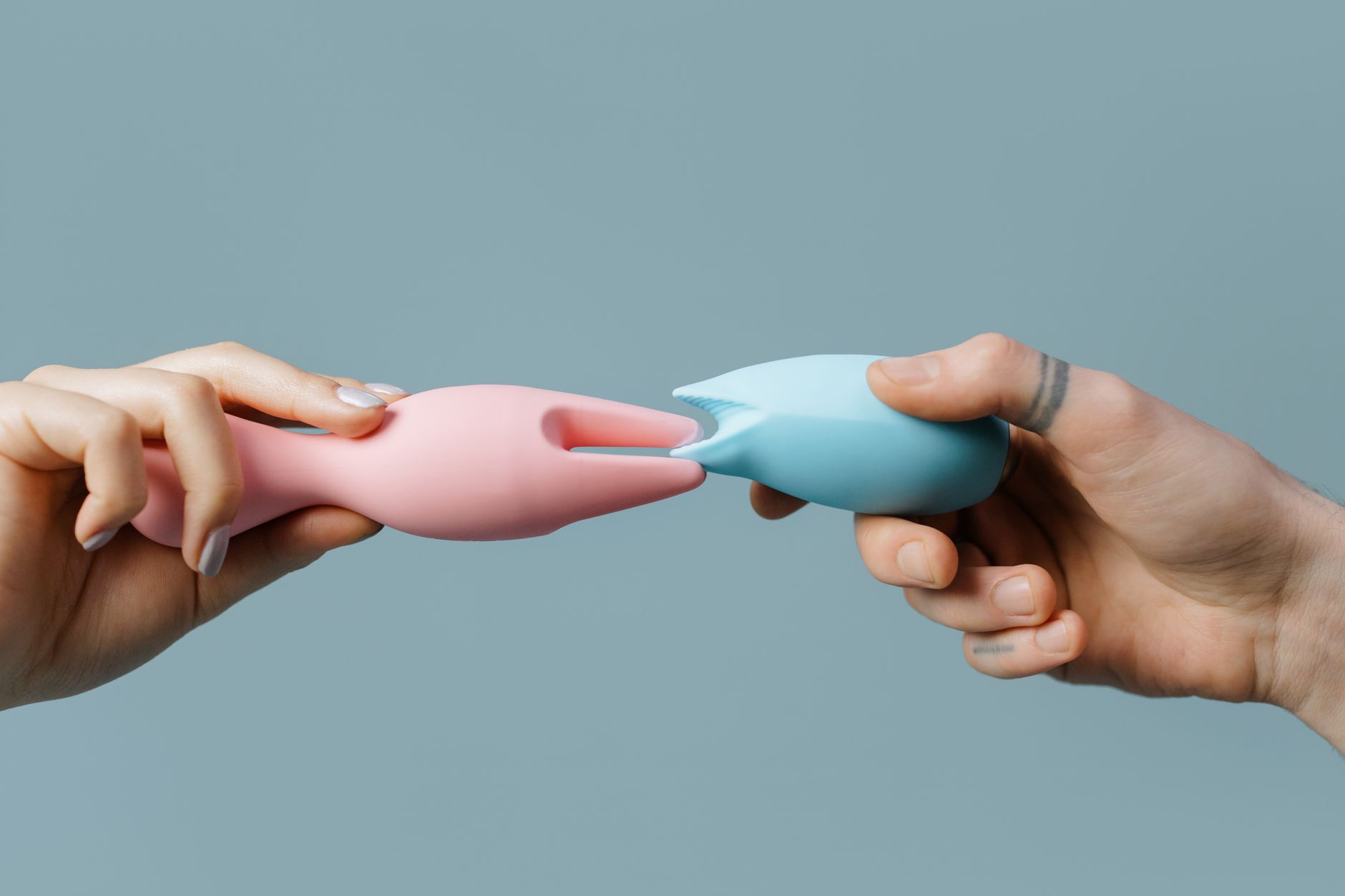
Suction is different. A lemon lem vibrator uses gentle, rhythmic suction that stimulates without direct friction. Think of it less like a jackhammer and more like a soft pulse. The sensation is diffuse rather than concentrated, which means less chance of triggering pain signals.
There's also the mental piece. When you've experienced pain during sex or pleasure, your brain gets primed to expect it. A gentler sensation feels safer to your nervous system. That psychological safety is not a small thing. It's half the battle when you're trying to retrain your body's responses.
Start at the lowest setting. Not pattern 2. Not "medium." Pattern 1. Your goal right now isn't intensity. It's nervous system recalibration.
Apply water-based lubricant generously. This isn't optional. Lubrication reduces friction, which reduces the chance of irritation. It also makes the whole experience feel less clinical and more comfortable.
Approach the area slowly. Don't jump straight to the most sensitive spot. Start on the outer labia, the mons pubis, or the inner thigh. Let your nervous system register: "Oh, this is gentle. This isn't a threat." Then slowly migrate toward more sensitive tissue. You might spend five minutes in "warm-up" zones before moving closer to the clitoris.
If pain appears, stop immediately. Not "push through." Not "it might get better." Stop. Your nervous system is telling you something, and overriding that signal teaches it to stay in protection mode. Stopping when it hurts is actually how you slowly expand your window of what feels safe.
Session length matters. Thirty seconds at pattern 1 is enough. Seriously. You're not aiming for orgasm right now. You're aiming for "my body remembers that sensation can feel okay." If you chase intensity, you'll trigger pain, and you'll set yourself back weeks.
When you've lived with pain during pleasure, there's shame attached. Your body "betrayed" you. Your partner might feel confused or rejected. You might feel broken. That story doesn't help.
Here's the reframe: your nervous system is protective. That's actually good. It's doing exactly what it's supposed to do. The job now is to teach it that certain sensations are safe. That takes patience, repetition, and a lot of self-compassion.
If you're exploring this with a partner, separate the conversations. "My body is responding to pain right now" is a different discussion than "I want us to stay connected." One is about your nervous system. The other is about relationship. Conflating them turns both into a minefield.
Most importantly: this is not your fault. Vulvodynia and chronic pelvic pain are real medical conditions. They're not psychological. They're not because you're "too tense" or "not relaxed enough." Your nervous system is doing what injured nervous systems do. And yes, it can heal. That healing just requires a different approach than what you've probably been told.
Often, vulvodynia and chronic pelvic pain come with pelvic floor tension. Your muscles are guarding. They've learned to squeeze and hold, which actually makes pain worse and makes pleasure almost impossible.
A lemon clitoral vibrator can help here too, but differently. The goal isn't to vibrate through the tension. It's to use gentle stimulation while you practice releasing the pelvic floor. This is counterintuitive because you've probably been told to do Kegels (clenching exercises). You need the opposite right now.
Pair your gentle suction sessions with pelvic floor relaxation. Between sessions, practice breathing into your pelvic floor. Imagine it softening. If you can access a pelvic floor physical therapist, that's genuinely valuable right now. They can teach you release techniques that, combined with gentle vibrator use, actually rewires how your muscles respond.
Many people find that as their pelvic floor softens, pain decreases and pleasure becomes available much faster.
This won't happen in a week. Recalibrating a nervous system that's been in protection mode takes time. Most of my clients see real shifts in 4 to 8 weeks of consistent, gentle exploration. Some take longer. That's not failure. That's your body doing exactly what it needs to do.
Expect plateaus. You'll have weeks where nothing seems to change, then suddenly you'll realize you can tolerate a higher setting, or sensation that used to hurt now feels okay. That's the nervous system learning. It's not linear. It's not fast. But it works.
One more thing: if you hit a ceiling and can't progress, talk to your doctor or a pelvic pain specialist. Sometimes pain requires a combination of approaches. Gentle vibrator use, physical therapy, pelvic floor relaxation, and sometimes medication or other treatments all work together. You don't have to figure this out alone.
Don't use a standard vibrator. The ones designed for people without pain are often too intense and too rigid. A lemon suction vibrator is genuinely gentler.
Don't chase intensity. Your nervous system isn't rejecting you for going slow. It's learning safety.
Don't skip lubricant. Water-based lube is your friend.
Don't ignore emotional responses. If sadness or grief comes up, that's real. Pain affects your whole self, not just your genitals. That feelings part matters.
Don't force sessions. If you're not feeling it, skip it. Consistency is good. Pushing through resistance isn't.
Yes, but it requires communication and patience. Many people find that starting with touch that doesn't involve penetration helps their nervous system settle. A lemon clitoral vibrator can be part of partnered play too. The suction sensation is often less triggering than penetration or traditional vibration. Talk with your partner about what feels safe and build from there.
If there's acute inflammation or a flare-up, rest. But extended rest without any gentle stimulation can actually make things worse by reinforcing the nervous system's belief that the area is "dangerous." Once acute pain settles, gentle exploration with a tool like a lemon vibrator can actually help retrain your nervous system. The key is "gentle." If you're in pain, you're going too hard.
That's information. It means you're either going too intense, not using enough lubricant, or your nervous system isn't ready for stimulation yet. Pull back. Use less time, lower settings, and external zones only. Or skip it for a week and try again. Your body will tell you when it's ready.
If you're in a relationship, absolutely. They need to understand that pain isn't personal rejection and that healing takes time. A vibrator isn't a replacement for them. It's a tool for nervous system recalibration that actually helps you reconnect with your own body, which makes partnered intimacy more available eventually.
Yes. Some people benefit from topical pain relievers, muscle relaxants, or other medications prescribed by a pelvic pain specialist. These work best alongside gentle stimulation and pelvic floor therapy, not instead of it. Talk to your doctor about what might help your specific situation.
Vulvodynia can be stubborn. Some people benefit from a combination approach: physical therapy, medication, vibrator use, and sometimes therapies like neuromodulation. If you've hit a wall, seek out a pelvic pain specialist or a gynecologist trained in vulvodynia. They can offer options that broader practitioners might not know about.
Your body isn't broken. Your nervous system is protective, and that's actually wise. Pleasure is available to you. It just requires a different conversation with your body than what mainstream culture teaches.
A lemon clitoral vibrator, used gently and consistently, can be part of that conversation. Start slow. Listen to what your body tells you. Build patience with yourself. And if you're struggling, reach out to someone trained in pelvic pain who can guide you specifically. You deserve pleasure, and it's more accessible than you think.