How to Use Lemon Vibrators With a Partner When You're Nervous About Toys
That anxiety you feel about introducing vibrators? It's real. Here's how to navigate the conversation, build trust, and actually enjoy the experience together.
You want to use a vibrator with your partner, but you're worried they'll feel threatened, rejected, or like you're bored. That nervousness isn't a sign you shouldn't do it. It's a sign the conversation matters more than the toy itself.
Here's what I see in my practice: couples who successfully introduce vibrators don't do it impulsively during sex. They talk about it first, frame it as exploration (not substitution), and pick a tool that feels collaborative rather than isolating. Lemon clitoral vibrators work particularly well for this because they're designed for external stimulation, which means you're not replacing your partner. You're adding a new sensation to what you're already doing together.
It's usually not about the toy. It's about what you think the toy says about you, your body, or your relationship. Let me untangle the three most common versions.
Version 1: "If I ask for a vibrator, they'll think I'm not satisfied with them." This one runs deep. You're equating your partner's touch with the entire experience, and you're right to feel that matters. But here's the disconnect. A vibrator isn't feedback on your partner's skill or their worth in your life. It's feedback on your body's neurology. Some nerve endings respond better to sustained vibration than manual stimulation. That's physiology, not criticism.
Version 2: "They'll think I'm too sexual or too kinky." Especially if you grew up with messages that "nice" people don't want toys, or that wanting vibrators means you're a certain kind of woman. You're not. You're a person with nerve endings who's interested in pleasure. Full stop.
Version 3: "I won't know how to bring it up without it feeling awkward." This one I can actually fix. See below.
Timing matters. Don't introduce the idea mid-sex or when you're both already vulnerable. Pick a calm moment, maybe over coffee or after dinner, when you're both clothed and the stakes feel lower.
Here's a frame that works:
"I've been thinking about exploring some new sensations together. I read about lemon vibrators, and I'm curious if you'd be interested in trying one with me. This isn't about anything missing between us. I just want to see what feels good, and I'd like you there with me."
Notice what's in that sentence: curiosity (not demand), inclusion (you, together), and reassurance (this isn't about lack). You're also naming the tool specifically. That removes the mystery that often fuels anxiety.
If your partner says no, that's real information. Ask why. Often the resistance isn't about the toy. It's about feeling like they'll perform badly, or that their role will shrink. Those are separate conversations worth having.
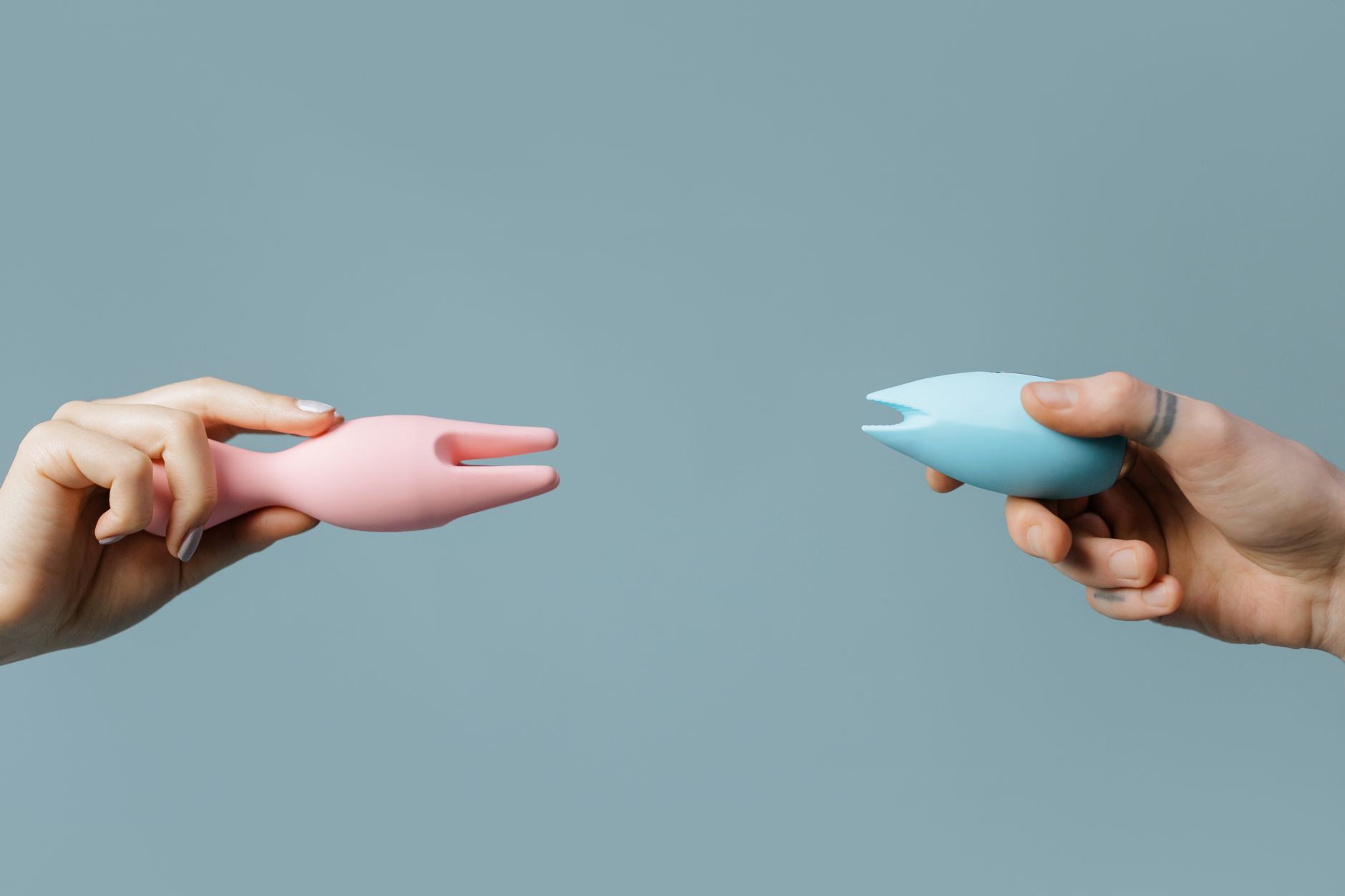
Unlike penetrative toys, a lemon clitoral vibrator is designed for external stimulation. That means your partner can participate. They can hold it, guide it, feel you responding. It becomes something you're doing together, not something replacing them.
The shape also matters. Lemon sexual toys are typically ergonomic and less intimidating than some wand vibrators. They look modern, feel tactile, and don't require a huge conversation about "what we're doing here." They just feel good.
Assume your partner has never used a vibrator before, even if they have. You're creating a fresh experience together.
Start clothed. Yes, really. Using the vibrator on yourself over underwear or on your partner's body through clothing removes the pressure. It feels playful. It lowers the stakes. This is just exploration.
Let them hold it. Hand them the toy. Let them experiment with pressure, speed, and where it feels good. This builds their confidence and their sense of agency. You're teaching them something about your body they might not know.
Talk, but keep it light. "That feels good." "Try a little lower." "Slower." You're giving feedback without making it clinical. Keep breathing normally. If you're silent, partners often panic they're doing it wrong.
Go slow with intensity. Most people start at max speed because they assume "vibrator equals fast." You don't need that. Often patterns 2 or 3 on a lemon clitoral vibrator are more pleasurable than max. Your partner will learn this as they feel your body respond.
Both of you might feel something unexpected. Your partner might feel their role shift. You might feel exposed or emotional (pleasure hormones do that). You might feel disconnected if the vibration is so intense that you drift into your own head. All of this is normal.
Name it if it happens. "That felt intense in a weird way." "I'm in my head a little." "Can you slow down?" These moments aren't failures. They're data. They're part of discovering what actually works for you as a couple.
Some partners surprise themselves by really enjoying the experience. Others find it's not for them. Both outcomes are fine. You tried. You learned something. You had a conversation most couples never have.
You'll want to jump straight to during-sex integration. Resist that. Let the vibrator have its own place in your routine a few more times first. Use it foreplay. Use it separately from penetration. Build the relationship to the toy before you ask it to do everything at once.
Also. Don't buy five vibrators. One tool, used well, teaches you more than five used randomly. Get comfortable with the lemon clitoral vibrator you have. Explore the patterns. Find the speeds and pressures that actually work. Then, months from now, maybe you expand.
Sometimes introducing a vibrator can surface other relationship issues. Maybe you weren't communicating well about pleasure before, and now you realize it. Maybe your partner feels left behind in the exploration. Maybe you both discover you want different things.
This is actually valuable information. It's an opportunity to rebuild the conversation around pleasure in your relationship. How to Introduce Lemon Vibrators to Your Partner Without the Awkwardness covers the longer arc of that integration. But the short version: if the toy brings up disconnection, the issue isn't the toy. The issue is that you're finally talking about something you weren't before.
You deserve pleasure. Your partner deserves to know you, fully. That doesn't mean forcing toys into a relationship that isn't ready. It means having an honest conversation with someone you trust, and seeing if you can explore together.
A lemon vibrator isn't a threat. It's an invitation. The nervousness you feel right now? It's the gap between what you want and what you've been taught is acceptable. That gap gets smaller every time you name it, talk about it, and act anyway.
Some will. But offense often masks fear. They might worry they're not enough, or that you're unhappy. If they react strongly, that's not about the vibrator. That's about insecurity. You can't fix that with a different toy. You can only address it with reassurance and patience. Tell them specifically what you want from them. Tell them what the vibrator adds, not what it replaces.
This depends on your relationship. If you're hiding it because you're genuinely scared of their reaction, that's a separate conversation worth having. If you're hiding it out of shyness or habit, consider leaving it in a drawer they'd find during a normal search. Let them discover it. Sometimes that opens a conversation more naturally than you forcing it.
Ask them directly, outside of sex. "How did that feel for you?" Their body language during sex is one data point, but their words matter more. Some partners enjoy the novelty but wouldn't choose it every time. That's fine. It doesn't have to be a regular thing. It just has to feel good when you do it.
It probably will, the first time. Awkwardness is normal when you're trying something new with another person. That doesn't mean you should stop. It means you should acknowledge it, laugh if you can, and try again. The awkwardness usually evaporates after the first couple of times because you're both more relaxed.
Absolutely. You don't have to be a "kinky" couple to enjoy a vibrator. Lemon sexual toys are designed for straightforward pleasure, not role play or intensity play. You can be vanilla and still curious. Those aren't opposites.
Let them set the pace slightly, but also name your nervousness. "I'm excited and scared." Partners respect that honesty. They'll often slow down and give you more time to adjust. You're not asking them to want less. You're asking them to want it safely.