How to Use Lemon Vibrators With Antidepressants and SSRIs
SSRIs can change how your body responds to pleasure. A relationship therapist on what actually happens, why lemon clitoral vibrators help, and how to reclaim sensation.
Antidepressants save lives. They also flatten sensation for about 40 percent of people taking them. Not everyone, and not every SSRI equally, but it happens enough that you're probably not imagining it if your body feels different.
Here's what's tricky: your doctor might not ask about it, and you might not mention it because the conversation feels awkward. But that flatness is real, it's manageable, and it's exactly why lemon clitoral vibrators can be a game changer.
SSRIs (selective serotonin reuptake inhibitors) work by keeping serotonin circulating in your brain longer. That's what steadies your mood. But serotonin also regulates arousal, sensation intensity, and the chain reaction that leads to orgasm.
Here's the neurobiology in plain language: orgasm requires your nervous system to hit a certain intensity threshold. It's like turning up a dimmer switch. SSRIs don't turn the light off. They shift the dimmer so it stays lower, which means you have to reach higher intensity before anything registers as "go."
That manifests as:
Arousal takes longer to build
Touch feels duller, less electric
Orgasms feel distant or require intense, prolonged stimulation
Sometimes orgasm doesn't happen at all, even when it normally would
Your body might feel "numb" even though technically the nerves still work
None of this means your brain wants less pleasure. Your desire might be totally intact. Your body's hardware just needs a different signal to light up.
Traditional vibrators use steady vibration. When sensation is already dampened by serotonin regulation, steady vibration can feel monotonous. Your nervous system stops "hearing" it as novel stimulation after a few minutes.
Lemon suction vibrators work differently. They use pulsing suction rather than consistent vibration, which creates a wave of pressure and release. That rhythm, that variation, speaks to your nervous system in a way that flat vibration doesn't when you're on an SSRI.
The suction pulls blood into the clitoral tissue, which intensifies natural sensitivity. You're not fighting the medication. You're working with your body's actual response capacity and amplifying it.
Many of my clients report that lemon clitoral vibrators feel more "present" on SSRIs than buzz vibrators do. It's not that the vibrator is stronger. It's that the rhythm pattern bypasses some of the sensory dampening by engaging different neural pathways.
Start lower, wait longer. Don't jump to the highest intensity setting. Begin at pattern 1 or 2 on your lemon vibrator and spend time there. Arousal on SSRIs needs runway. Give your nervous system 15 to 20 minutes to warm up before expecting sensation to shift.
Use lubrication, even if you don't think you need it. SSRIs can reduce natural lubrication. Using a water-based lube isn't about pain prevention. It's about reducing friction resistance so you can feel more nuance in the sensation. Less resistance means your nervous system gets clearer signals.
Combine suction with external touch. The lemon vibrator alone is powerful. Pairing it with your partner's hands or fingers on other areas creates competing sensations. Your brain processes multiple input streams, which can heighten the overall intensity without needing the vibrator itself to be painful.
Change settings mid-session. Don't lock into one pattern for 20 minutes. Switch every few minutes. Novelty is your friend when sensation is flattened. Your nervous system perks up when the input changes.
Stop chasing orgasm. This one matters most. The pressure to "achieve" orgasm while on SSRIs often kills the actual pleasure. Shift your goal from "reach orgasm" to "feel as much as possible." Sometimes that leads to orgasm. Sometimes it doesn't. But the pleasure is there either way if you're not holding your breath waiting for the finish line.
When you take your SSRI affects how much it flattens sensation on any given day. Most SSRIs peak in your system 4 to 6 hours after you take them. Some people find that sensation is slightly sharper right before their next dose.
This isn't a hack to skip medication. But tracking when you feel most responsive can help you plan intimate time for when your nervous system is more available. Keep a note for two weeks. You might notice a pattern.
Also worth knowing: alcohol interacts with SSRIs and can worsen sensation dampening. If you're on SSRIs and drinking, you're essentially double-dampening your nervous system. Cutting back on alcohol around intimate time can make a real difference in how much a lemon vibrator works for you.
This is important: sexual side effects from SSRIs are treatable. Your prescriber needs to know if sensation has changed, and you deserve solutions.
Three options your doctor might discuss:
Dose adjustment. Sometimes lowering the dose slightly preserves the mood benefit while reducing sexual side effects. Not always possible, but worth asking.
Switching SSRIs. Different SSRIs affect libido and sensation differently. Sertraline and paroxetine tend to have stronger sexual side effects than fluoxetine or escitalopram. Your doctor can discuss whether switching makes sense for you.
Augmentation. Some doctors prescribe a low dose of a second medication (like bupropion) that counteracts sexual side effects. It's not right for everyone, but it works for many.
The point: don't assume sexual side effects are just something you have to live with. They're real, documented, and your doctor has options. The conversation might feel uncomfortable, but it's worth having.
When sensation flattens on SSRIs, people often internalize it as "I'm broken" or "My body doesn't work anymore." That story is false, but it's a common one.
Your body works. Your nervous system is doing exactly what the medication is designed to do: moderating serotonin. That's not a malfunction. It's the medication working. And there are concrete tools, like lemon clitoral vibrators and the adjustments I've outlined, that help you reclaim pleasure within that new baseline.
If you're in a relationship, this also deserves conversation with your partner. Not as shame, but as information. "My medication changes how I experience sensation. Here's what helps. Here's what I need." That honesty often strengthens connection more than silence does.
Many people find that once they stop fighting the SSRI and instead adapt their approach to pleasure, they actually experience deeper satisfaction. Slowing down, building arousal intentionally, using tools like lemon vibrators that work with their nervous system rather than against it. Those practices often enrich pleasure even when sensation isn't as immediately explosive.
Yes, completely. There's no direct contraindication between SSRIs and lemon clitoral vibrators. The medication doesn't damage your ability to use a toy safely. What changes is sensation intensity, not safety. Use standard toy hygiene, clean between uses, and make sure the lube you pair with your vibrator is water-based if the toy is silicone. If you have any neurological concerns specific to your health, check with your doctor, but SSRIs themselves don't make vibrator use risky.
Sensation changes can start within the first week or take several weeks to stabilize. Some people notice them immediately. Others adapt gradually as their body adjusts to the medication. The flatness doesn't necessarily get worse over time, but it doesn't always improve either. This is where talking to your doctor about whether your specific SSRI is the right one matters. Some people switch medications and find sensation returns. Others stay on the same medication and adjust their approach to pleasure using tools like lemon vibrators.
No. Paroxetine and sertraline have the highest reported rates of sexual side effects, around 50 to 60 percent of users. Fluoxetine and escitalopram have lower rates, around 20 to 30 percent. If you're on one of the higher-impact SSRIs and sensation is a significant issue, it's worth asking your doctor whether switching is an option. But individual variation is huge. Two people on the same medication can have completely different experiences.
Not necessarily. Turning up the intensity on a traditional buzz vibrator can help some people push past the dampening, but it often just feels numb in a louder way. This is where lemon suction vibrators have an advantage. The pattern and rhythm create a different type of stimulation that often works better than raw intensity. It's not about making the sensation stronger. It's about making it more varied and engaging for your nervous system.
No. Never stop or adjust an SSRI without your doctor's guidance. Depression and anxiety are serious, and the medication is working if it's stabilizing your mood. The goal is to keep taking the medication that helps your mental health while finding workarounds for physical sensation changes. That's exactly what adjustments like using lemon clitoral vibrators, timing intimate moments, and talking to your doctor about dosage or switching are for.
Absolutely. Partner involvement often helps more than vibrators alone. When your nervous system is dampened, varied sensations register better than single input. Your partner can alternate between the lemon vibrator, their hands, and different types of touch. They can help build arousal more gradually than solo play sometimes allows. Communication is key though. Your partner needs to know what's happening so they don't take sensation changes personally. This is a medication effect, not a reflection of attraction or desire.
SSRIs and sensation dampening is a real issue, and you're not imagining it. Your nervous system is responding exactly as the medication intends. The good news: there are concrete tools and adjustments that work. A lemon clitoral vibrator paired with the timing and technique shifts I've outlined can help you reclaim pleasure on your terms.
If sensation changes are significantly affecting your quality of life or relationship, reach out to your prescriber. That conversation opens doors you might not know exist. And if you want to talk through other relationship dynamics affected by medication changes, I'm here to help.
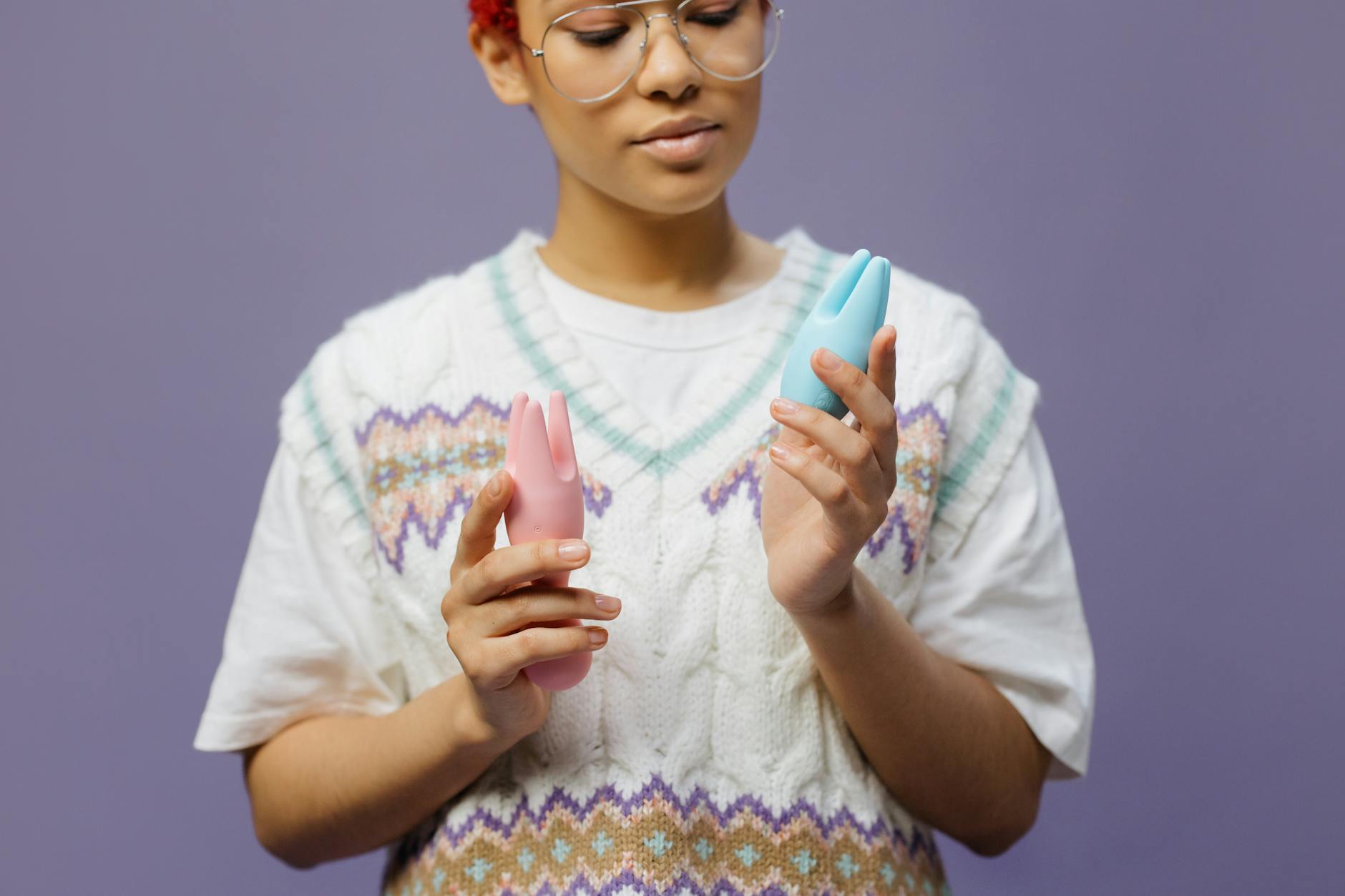
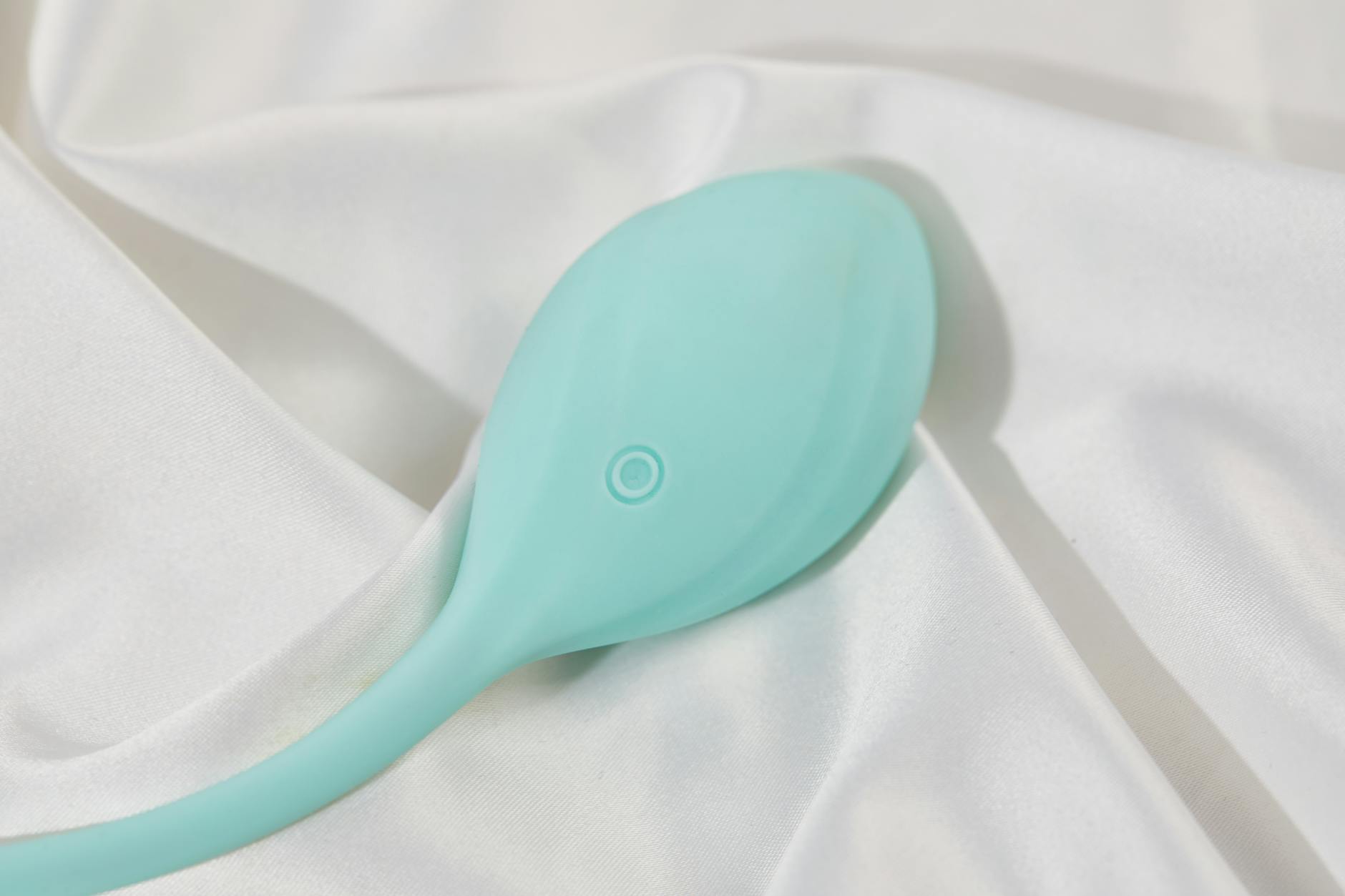 Photo by