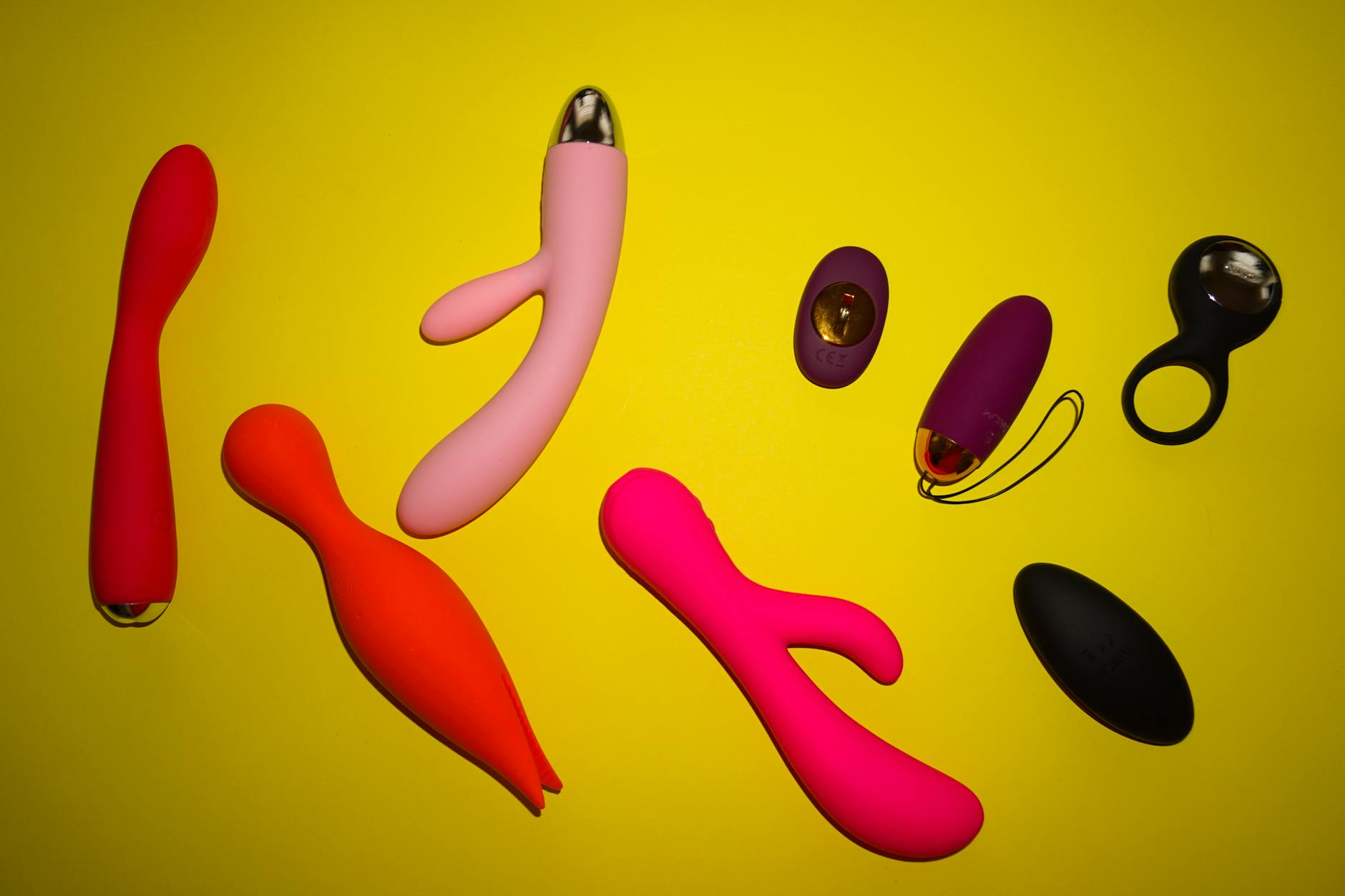
How to Use Lemon Vibrators With Less Friction for Thin or Delicate Tissue
Tissue thickness changes how vibration feels. Here's what works, what doesn't, and why your lemon clitoral vibrator might feel completely different than it used to.
Your tissue has changed. That's not a judgment, it's a fact. And if you've noticed that vibration feels sharper, more intense, or sometimes uncomfortable in a way it didn't before, this is probably why.
Tissue thickness shifts with hormones, age, health conditions, and medications. When tissue gets thinner, the same vibrator that felt amazing two years ago can feel like it's vibrating directly against nerve endings instead of through a protective layer. That's not a problem with the toy. That's your body telling you something real.
Estrogen keeps vaginal tissue thick and well-lubricated. When estrogen drops (whether from menopause, birth control, hormonal medications, or other causes), the epithelial layer thins out. This happens in tiny increments, so you might not notice until suddenly a toy that always worked feels wrong.
Thinner tissue doesn't mean your clitoris is less sensitive. It means the clitoris has less cushioning around it. Vibration travels faster and with more intensity through thinner tissue. The nerve endings stay exactly as dense as they've always been, but they're closer to the surface.
Here's the kicker: this is also why some people report more intense orgasms during certain life stages. Less tissue between the vibrator and the nerves can mean more direct stimulation. It's not better or worse. It's just different, and it needs a different approach.
Standard vibrators were designed for average tissue thickness. They pulse at consistent frequencies and usually require direct contact to work. When tissue thins, those pulses feel magnified. You're not imagining it.
This is where suction-based toys like the Lem vibrator shine. Instead of generating vibration through direct mechanical friction, suction stimulates nerve endings by creating gentle pressure waves. It's a completely different kind of sensation. Many people with thinner tissue report that suction feels smoother, less sharp, and easier to control intensity-wise.
If you prefer traditional vibration over suction, that's fine. You just need a different setup.
Water-based lube isn't optional here. It's essential. Lube creates a buffer between the toy and your tissue, which redistributes vibration pressure over a larger area instead of concentrating it on one spot.
Use enough that you need to reapply mid-session. Most people undershoot on lube amount. You want your whole vulva glistening, not just a light coat. If you're using a lemon clitoral vibrator or similar silicone toy, stick with water-based lube only. Silicone-based lubes will degrade silicone toys over time.
Don't do what you've always done. If you usually start on pattern three, start on one. Your tissue is different now, and your baseline for what feels good has shifted. Give yourself 5-10 minutes at the lowest intensity before you consider turning it up.
Many people find they actually prefer lower speeds once they stop fighting against intensity. It's like the difference between a gentle massage and someone digging their thumbs into your back. Both can feel good, but they require different muscular responses.
Instead of putting the vibrator directly on your clitoris, try applying it just off to one side, or use the rounded base instead of the tip. If you're using the Lem vibrator, this is already built in. The suction covers a wider area, which naturally distributes sensation.
For traditional vibrators, you can also angle the toy so the vibration travels through surrounding tissue rather than concentrating on the clitoral glans itself. Experiment with pressure and angle. Your sweet spot has probably shifted.
When tissue is thinner, blood flow becomes more important. Arousal engorges tissue slightly, which creates more of that protective layer we're talking about. Don't rush. Spend 10-15 minutes on other kinds of touch, internal or external, before bringing in the vibrator.
Warm tissue is also more resilient. Cold tissue that hasn't been aroused yet is more prone to irritation.
If thin tissue is really affecting your quality of life, topical vaginal estrogen is worth talking to a doctor about. Creams like estradiol or conjugated estrogens work locally without significant systemic absorption. People often see noticeable changes in tissue thickness and sensation within 2-4 weeks.
This is different from systemic hormone replacement therapy. It's a lower-dose, local intervention that many people find genuinely transformative. Your doctor can discuss whether it's right for you based on your health history.
If you're experiencing pain, tearing, or significant discomfort even with lube and low intensity, get it checked. Thin tissue is common and manageable. But so are other things: lichen sclerosus, atrophic vaginitis, or contact dermatitis from a product you've recently started.
The fix is different depending on what's actually happening. A gynecologist or pelvic floor specialist can help you figure out which.
Once you adjust your technique, thinner tissue often comes with surprising benefits. Many people find they have more frequent orgasms, or orgasms that feel more localized and intense. The sensitivity is still there. It's just redirected.
You're not starting over. You're recalibrating. And honestly, that recalibration often leads to discovering sensations you didn't know were available.
Yes, absolutely. You might just need to adjust how you use it. Lube heavily, start at the lowest setting, use indirect stimulation, and give yourself longer warm-up time. Many people find they love their vibrators even more once they've fine-tuned the approach. If it continues to feel uncomfortable despite these adjustments, suction-based toys like the Lem vibrator are often a better fit, since they distribute sensation differently.
It depends on the cause. If it's hormone-related, it can be reversible with estrogen therapy. If it's from aging or menopause, it's usually a permanent shift that your body adapts to with time and practice. Either way, thin tissue is not a dead end. It's just different, and different can be great.
No. Tissue thickness changes constantly throughout your life based on hormones, health, medications, and age. It's not a failure on your part. It's biology. The adjustment period can feel frustrating, but once you know what's happening, you can work with it instead of fighting it.
That's a conversation for you and your doctor. Some people use it for this specific issue even if they're not dealing with hot flashes or night sweats. Others prefer to stick with lube and technique adjustments. Both are valid. Neither is morally superior.
No. Your clitoris has 8,000 nerve endings. Thin tissue doesn't change that. It might change what kind of stimulation gets you there fastest, and it might take longer to build arousal, but orgasm is still absolutely possible. Most people report that once they adjust their approach, orgasms feel just as strong or stronger.
You have options. Heavy lube plus the lowest settings on your current toy might be enough once you adjust. If not, suction toys like the Lem vibrator offer different sensation without necessarily being "less intense." They're just intense in a different way. You might also try shorter sessions at slightly higher intensity instead of longer sessions at the lowest setting. Give yourself permission to explore what actually feels good now.
Thin tissue is common, manageable, and not a reason to stop using vibrators or experiencing pleasure. It's a reason to be intentional about how you approach your body right now. That intentionality often leads to better orgasms, not worse ones.
Your pleasure matters. And it changes. That's not a loss. That's just the ongoing negotiation between you and your body.
Ready to explore what works for you? Get in touch if you have questions about techniques or products that might fit your specific needs.