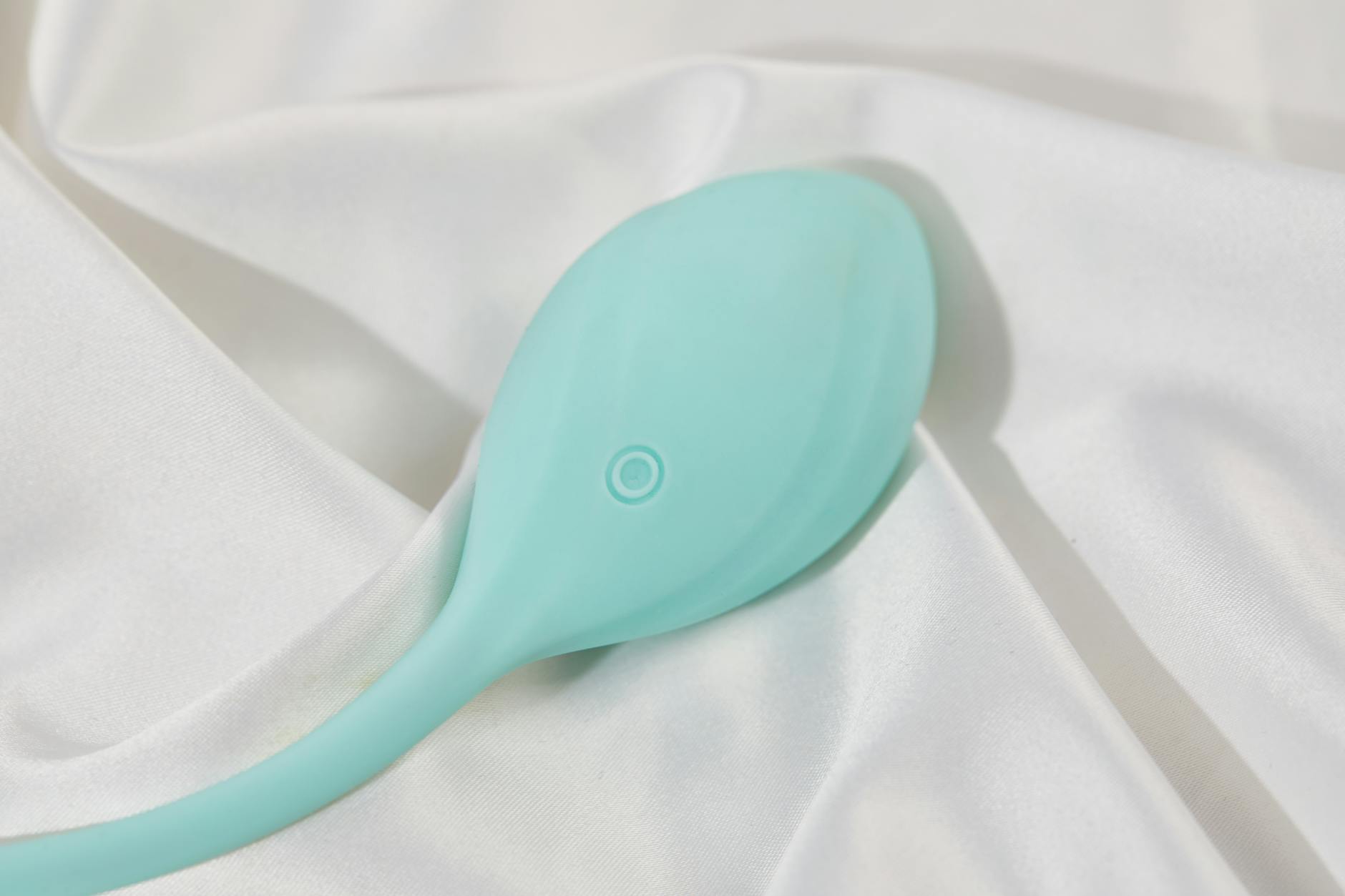
Lemon Vibrators for Couples Who Want to Try Toys Together
Introducing a clitoral vibrator to partnered sex doesn't have to be awkward. Here's what actually works, what doesn't, and how to make it feel natural for both of you.
You want to use a toy. Your partner might feel replaced, irrelevant, or like they're not enough. They might not say this out loud. They might not even know they feel it. But that unspoken anxiety sits in the room anyway, and suddenly what should feel good feels loaded instead.
Let's be real. Introducing lemon vibrators or any clitoral vibrator to partnered sex is less about the toy and more about what it means to both of you. Once you sort that conversation, the actual mechanics are straightforward.
I see this pattern in my practice constantly. One partner (often the person with the vulva) wants to explore a lemon vibrator or lemon clitoral vibrator. The other partner worries it means penetrative sex isn't satisfying enough, or that they're being replaced by a device. Sometimes there's embarrassment. Sometimes there's genuine curiosity but zero framework for bringing it up without it landing as criticism.
Here's what the research actually says: couples who use toys together report higher satisfaction, more frequent sex, and better communication overall. Not because the toy is magic. Because using one requires you to talk about what you actually want. That conversation is the thing that changes things.
Don't ambush your partner with a lemon sucker sitting on the nightstand. That's how you get defensiveness and resentment.
Instead, frame this as expansion, not replacement. "I've been curious about trying something that might feel different. I want to explore this with you, not instead of you." That distinction matters.
Then get specific. Tell them what you're interested in. A Hello Nancy lemon vibrator? A specific intensity? Something you both use together, or something for you during partnered play? The more details, the less room for their brain to fill in anxious assumptions.
Listen to their concerns without defending. "I'm worried you won't need me" is real and valid. "I'm embarrassed" is real and valid. "I don't know how this works" is real and valid. None of those feelings mean you can't move forward. They just mean you're doing this with awareness instead of steamrolling.
This is where it gets practical. A clitoral vibrator like a lemon vibrator doesn't replace penetration. It works alongside it. Here are the ways couples actually use them.
During penetrative sex: A partner can hold the lemon vibrator against the clitoris while penetrating. This is different than penetration alone. Many people need clitoral stimulation to reach orgasm during sex, and adding a vibrator solves that without anyone feeling like they're failing. The person penetrating gets to feel the result of what they're doing. Nobody loses anything.
Before penetration: Use the lemon vibrator for 5-10 minutes to warm up, increase blood flow, and get closer to arousal. Then transition to partnered sex. This actually improves penetrative pleasure because you're starting from a higher arousal baseline.
As foreplay for both of you: Some couples use a vibrator on the receiving partner while the other person is being touched, watched, or caressed. It's less about the toy and more about the shared focus. You're doing something together that prioritizes pleasure for the person who often gets less direct stimulation.
During oral sex: A partner can use a lemon vibrator while going down on you. Again, this isn't because oral sex isn't enough. It's because different sensations stack. Suction plus pressure plus vibration is a different experience than any one of those alone.
The first time you use a toy together, weird feelings often emerge. Sometimes for both of you.
The person using the vibrator might feel self-conscious about pleasure being this visible. You're making sounds, your body's responding in ways that are obvious. That vulnerability can feel intense.
The person partnered with you might feel a temporary shift in their role. Instead of being the primary source of stimulation, they're now supporting someone else's pleasure. This is actually healthier long-term, but it can feel unfamiliar.
Here's what helps: check in. Not clinical check-ins. Just "How is this feeling?" in the moment, and "What did you notice?" afterward. Sometimes answers are "Amazing." Sometimes they're "Weird but interesting." Sometimes they're "I need time to get used to this." All of those are fine.
Water-based lube is non-negotiable. The clitoris has a lot of nerve density, and dry friction can shift from pleasurable to uncomfortable quickly. A good lube makes everything easier.
Start at lower intensities on your lemon vibrator. Many couples think they need to jump to high power. You usually don't. Patterns 2-4 on a device like the Lem offer plenty of sensation without overwhelming things.
Battery life matters. Nothing kills the mood like your vibrator dying mid-session. Check the charge beforehand, or use one you know you can rely on.
Position matters. Not all positions work well for toy play. Spooning, for example, makes it easy for a partner to access the clitoris while penetrating. Face-to-face positions sometimes require awkward angles. Experiment. There's no wrong way, just ways that feel better or worse for your bodies.
Here's what I see in couples who move past the awkwardness: sex becomes less about performing and more about collaborating. The pressure lifts. Instead of both people trying to figure out if one person is satisfied, you're working together toward a specific goal.
You learn what your partner actually enjoys. They learn what you actually need. Neither of those conversations happens naturally without introducing something that requires talking about it.
Sometimes couples discover they have different arousal patterns, different preferences, or different paces. Those aren't problems. They're just facts. Once you know them, you can design sex around them instead of pretending you're on the same timeline when you're not.
Similarly, if you're curious about toys but feel shame about that curiosity, talking through it with someone who specializes in this stuff is genuinely valuable. That shame almost always has roots, and those roots are worth examining.
Start with context. "A clitoral vibrator does something my body needs that has nothing to do with you or our sex life." Many people need clitoral stimulation to orgasm during partnered sex. A vibrator isn't a substitute for your partner. It's an addition that sometimes makes partnered sex better for both of you.
Frame it around your own body, not their performance. "I want to explore what happens when I add this sensation" is different than "I need this because what you're doing isn't working." One is curiosity. One is criticism. Your tone and word choice determine which message lands.
Actually yes. A lemon vibrator can help a lower-desire partner feel more pleasure quickly, which sometimes increases their interest in sex. It can also allow a higher-desire partner to feel satisfied in shorter sessions if that's what timing allows. It's a tool for synchronizing, not for ignoring incompatibility.
Weird isn't bad. Weird just means unfamiliar. Some couples need two or three tries before it feels natural. Others realize toys aren't for them, and that's valid too. The point isn't that you have to use them. The point is you can talk about what you want without shame.
Look for a vibrator with multiple patterns and intensity levels. That flexibility means you can dial in what actually feels good for both of you, not what you think should feel good. Battery life matters too. You don't want to stop mid-session because your device died.
Ask directly. "Do you actually want to do this, or are you agreeing because you think I want to?" Listen for hesitation. Sometimes people say yes when they mean "I'm not sure." If your partner genuinely isn't interested, respect that. Pushing someone into partnered toy use backfires every time. The conversation and consent matter more than the toy.
Introducing a lemon sucker or any clitoral vibrator into your sex life together isn't really about the toy. It's about deciding that both people's pleasure matters, that you can talk about what you actually want, and that you're willing to get curious instead of defensive.
Toys are just tools. The real thing that changes is the conversation. Once you've had that conversation, you know each other differently. And that's what actually improves things.