Why Lemon Vibrators Take Longer to Work if You're Desensitized From Numbing Lubes
If you've used benzocaine or lidocaine lubes for years, your nerve endings are quietly asleep. Here's what happens when you try to wake them up, and why suction-based lemon clitoral vibrators work differently.
Let's be real. If you've spent the last five years reaching for a tube of numbing lube because regular sex felt uncomfortable, you've done something to your nerve endings that nobody warned you about.
Your vulva hasn't forgotten how to feel pleasure. But your nerve endings have been chemically paused. When you switch to a lemon vibrator or any other clitoral toy, the adjustment period isn't frustrating incompetence on your part. It's your body literally waking up.
Numbing lubes contain local anesthetics that block nerve signals. They work fast and feel protective. If penetration hurt, numbing that area seems logical. But here's what the packaging doesn't tell you.
These chemicals don't just block pain. They block sensation entirely. Over months or years of regular use, your nerve receptors downregulate. They stop responding as readily because they're being told, chemically, that there's nothing important to sense down there.
It's like putting your phone on silent so many times that you stop checking it for messages. Eventually, you forget you ever wanted to hear it ring.
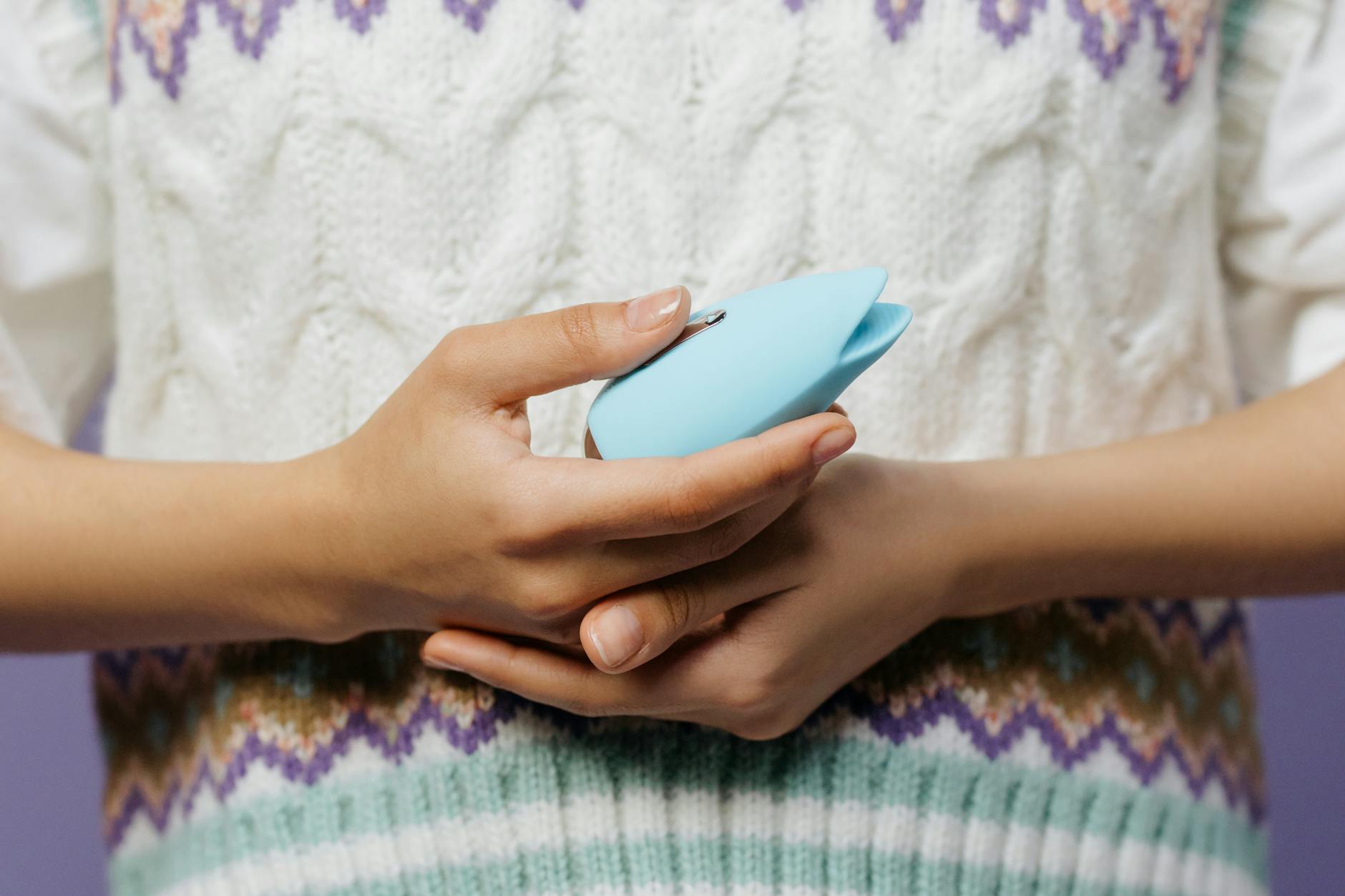
Lemon clitoral vibrators, including the suction-based lemon lem vibrator, work through air pulse technology and gentle suction. They're designed to stimulate nerves without the kind of direct friction or numbness that traditional vibrators provide.
Here's the problem. If your nerve endings have been asleep for years, a lemon vibrator might feel almost nothing at first. Not because the toy is weak. Because your nerves aren't fully awake yet.
This is temporary. But it's real, and it's why people who've used numbing lubes sometimes give up on lemon vibrators after one or two sessions. They're expecting the jolt of sensation they used to feel with stronger vibrators. Instead, they feel almost gentle.
How long your nerve endings stay "asleep" depends on how long you've been using numbing lubes and how often.
If you've been using them regularly for 2-3 years, expect 3-8 weeks of readjustment. If it's been longer, expect 8-12 weeks. This isn't a guess. People who come off numbing medications report similar timelines for sensation return.
During this window, three things matter.
First, you have to actually stop using the numbing lube. That means no more benzocaine, no more lidocaine. If the original reason you needed numbing (pain during sex) is still present, that's a separate conversation that belongs with a pelvic floor physical therapist or doctor. Numbing lubes are a band-aid, not a solution.
Second, you need patience with yourself. Sensitivity isn't a switch. It comes back in patches. One week you'll notice your vulva feels almost nothing. Two weeks later, you'll feel something in your clitoris but not your labia. Week six, you'll feel the difference between two different sensation intensities for the first time in years.
Third, you need a toy that matches that reawakening process. This is where lemon vibrators actually excel. Unlike traditional vibrators that rely on raw motor intensity, air suction toys like the lemon lem vibrator create sensation through pulse and pressure rather than numbing or aggressive buzz. That gentler approach respects nerve tissue that's just learning to feel again.
Start on the lowest setting. Not because you're timid. Because your nerves need time to recognize what sensation feels like.
Use it for 10-15 minutes at a time, 2-3 times per week. That frequency is enough to support nerve reactivation without overwhelming tissue that's still waking up. Short, consistent sessions beat long, intense ones.
Wait at least 48 hours between sessions. Your nervous system needs time to integrate what it's learning. That downtime actually matters for nerve recovery.
Use water-based lubricant instead of numbing lube. And yes, you might need it. Desensitization from numbing lubes sometimes comes alongside reduced lubrication, because the same receptors that numb also signal your body to lubricate. This is normal. A small amount of water-based lube helps tissue comfort without blocking sensation.
Track what you notice. Not orgasms (those will come later). Sensation texture. Can you feel the vibration? Where? Is it gradually spreading? Is the intensity changing week to week? These observations aren't vanity. They're data that tells you your body is responding.
Here's what matters. If you've stopped feeling pleasure in your clitoris and vulva after months of numbing lube, that's desensitization. It's reversible. If you've also lost interest in sex, feel disconnected from your partner, or notice that nothing sounds attractive anymore, that's a different conversation.
Desensitization is physical. Anhedonia (the inability to feel pleasure) is sometimes psychological, sometimes physical, and sometimes both. If you're noticing both at the same time, talk to a therapist or doctor. A lemon vibrator alone won't fix that.
But if it's pure nerve numbing from years of benzocaine? That reawakens.
Once sensitivity returns, usually around week 8-12, lemon vibrators often feel completely different than they did at week one. Suddenly they're too intense. Or they're perfect. Or you realize you want more variety than one single sensation.
This is good. It means your nerves are working again. Now you can make actual choices about what kind of stimulation you want, rather than just using whatever number you can feel.
Many people who've gone through desensitization recovery say that their pleasure afterward feels richer. Not because they're damaged goods who get fixed. Because they've learned to pay attention to their body's actual signals instead of pushing through numbness.
Traditional vibrators rely on motor frequency (how fast they buzz). If your nerves are numb, you need higher frequency to feel anything. That creates a cycle. You need stronger sensation because you're numb, so you use stronger toys, which makes you need stronger sensation, which requires more numbing lube.
Lemon vibrators work differently. The suction-based mechanism (like the lemon lem vibrator) creates sensation through rhythm and pressure change, not speed. This means they can feel noticeable even at lower intensity levels. Your nerves register something is happening without needing the aggressive buzz that reinforces desensitization.
Additionally, air-pulse toys are easier on already-stressed tissue. If numbing lubes masked inflammation or irritation, your vulva might be slightly sensitized already. A gentler toy type respects that while still providing real stimulation.
If after 12 weeks of no numbing lube you're still feeling almost nothing, that's worth a conversation with a gynecologist or sexual health specialist. Sometimes desensitization is straightforward nerve recovery. Sometimes it signals something else: hormonal imbalance, medication side effects, circulatory issues, or pelvic floor tension.
Also reach out if returning sensation is painful. That shouldn't happen. If it does, you might have inflammation that needs attention before you continue with a vibrator.
And if the pain that originally led you to numbing lubes is still there, please see a pelvic floor physical therapist. They can figure out whether it's tension, a scar issue, vaginismus, or something else. Numbing lube was a workaround, not an answer.
Desensitization is specific. You literally can't feel physical stimulation, even when you're aroused. You might feel pressure, but not sensation. Not turned on is different. You feel things fine, but nothing sounds appealing. If you're unsure, try a lemon vibrator on the highest setting and pay attention. If you feel absolutely nothing even at maximum intensity, after you're already aroused, that's desensitization. If you feel it but don't care, that's different.
No. Every time you use it, you reset the clock on your nerve recovery. It's like trying to sleep while someone keeps turning the lights on. You need a clean break, even if the first few weeks feel uncomfortable. This is why working with a therapist or pelvic floor PT is helpful. They can address the original pain so you don't feel desperate to numb.
No. Your timeline depends on how long you used numbing lubes, how frequently, which product, and your individual nerve recovery speed. Some people feel dramatic changes at week 4. Others don't notice much until week 10. Both are normal. Consistency matters more than speed.
Probably better. Most people who've recovered from desensitization describe sensation as clearer and more nuanced than before, not weaker. You're not going backward to "normal." You're waking up to something more refined.
Lemon vibrators, especially suction-based options like the lemon lem vibrator, are genuinely ideal for this. They provide noticeable sensation without aggressive intensity, and they don't require numbing or harsh pressure. That said, what matters most is that you're using something consistently at low intensity. If a different toy style feels right to you, use that. Consistency beats perfect tool choice.
That's information. It tells you the original issue wasn't about your entire vulva being numb. It was about penetration specifically causing pain. That's a separate problem that might need pelvic floor therapy, communication with your partner about entry technique, or something else entirely. A pain specialist or pelvic floor PT can help you figure out what's actually happening.
Your body isn't broken. It's not lazy or slow or insufficient. It's responding exactly as nerve tissue responds to anesthetic chemicals. The good news is that it responds the same way to recovery. Consistency, gentleness, and time. That's how you get your sensation back.
A lemon vibrator isn't a magic cure. But it's one of the best tools for this specific transition because it respects the fact that you're relearning how to feel.
If you're ready to start the process, get in touch. We can point you toward resources tailored to where you actually are.