Why Lemon Vibrators Work Better for Building Intimacy in New Relationships
How introducing a clitoral vibrator early removes shame, kills performance anxiety, and actually makes you closer as a couple. A therapist's perspective.
One person wants to bring a toy into the bedroom. The other freezes. Suddenly it's about whether they're enough, whether the relationship is missing something, whether this means their partner isn't satisfied. Nobody says that stuff out loud, but it's hanging there anyway. The toy stays in the drawer. The conversation dies. And six months later, one person is still wondering what could have been.
I've sat with hundreds of couples early in relationships, and I can tell you this: the moment toys come up is one of the most informative moments in a relationship. Not because toys matter that much. But because of how you handle the conversation. With a clitoral vibrator like the Lem, that conversation gets easier. The shame dissolves faster. And something unexpected happens. You actually get closer.
There's a neuroscience reason for this. Early relationship sex is governed by two competing systems. One is genuine desire. The other is performance anxiety. Your brain is trying to be present while simultaneously running a highlight reel: "Are they enjoying this? Am I doing this right? Do I look good? Are they comparing me to someone else?"
Adding a toy to that mental space can feel threatening. To the person bringing it up, it's about exploration. To the person hearing it, it can land as criticism. "If you really loved me, my body would be enough." That's rarely said, but it's real.
Why does this happen? Because in heterosexual and mixed-gender partnerships, there's still a narrative (a stubborn, dumb one, but persistent) that a man's penis is the primary tool for a woman's pleasure. Anything else is a Band-Aid on his inadequacy. That's scientifically backwards. But narratives don't care about science. They just sit in the nervous system.
For same-sex couples and non-traditional partnerships, the cultural pressure is different but no less real. There's an assumption that you "should" know how to be with each other, that you don't need props. Which is its own kind of perfectionism.
Let's say it's week three or four. You're still in the phase where you're sleeping over, everything feels a bit like a sleepover. Someone says, "I've been using this for a while. I really like it. Want to explore together?"
The Lem is a good tool for this because it's not a secret. It's intentional. It's a conversation opener, not a barrier to intimacy. Here's what shifts when you use one early:
The framing changes from "You're not enough" to "Let's discover what we both like." This is massive. You're not saying "I need this because you can't make me come." You're saying, "This is part of my body's pleasure map. Want to learn it with me?" That's collaborative. The dynamic is exploration, not correction.
Orgasms become about the nervous system, not about performance. Most new partners, especially women, don't orgasm easily with a new person. The stress hormones (cortisol, adrenaline) block the ones you need for arousal (dopamine, oxytocin). A clitoral vibrator like the Lem works around that bottleneck. It provides consistent, reliable stimulation that doesn't require your brain to be calm. It gets you there despite the nerves. And here's the thing: once you've had one orgasm together, the nervous system settles. The next time is easier. You've literally reprogrammed the stress response.
You're both on the same side of the problem. It's not "you" vs. "me" trying to figure out my body. It's "us" learning together. That's the foundation of actual sexual intimacy. Not performance. Collaboration.
I coach couples through this all the time, and there's a template that works.
Start with "I want to show you something I enjoy." Not "I need this" or "We should try." Show. It's lower stakes. You're inviting them into your world, not demanding they change.
Then be specific about why. "I've been using this because it helps me relax into pleasure without worrying so much." Or: "It feels really good when my mind is racing, and I love that we can do this together."
Then hand it over. Let them ask questions. Let them hold it. Let them see it's just a toy. The more demystified it is, the less scary.
Then, when you use it, let them see your body respond. Let them feel the vibration. Let them understand it's not replacing them. It's amplifying the experience you're having together.
If your partner is nervous, that's okay. Watch that.
Don't try to logic them out of the feeling. "It's just a toy" doesn't help. Instead: "I get that this feels weird. It's new. We can take our time." Sometimes people need to just see it work before they believe it's not a threat.
Look, any toy can introduce pleasure. But certain tools help with connection better than others.
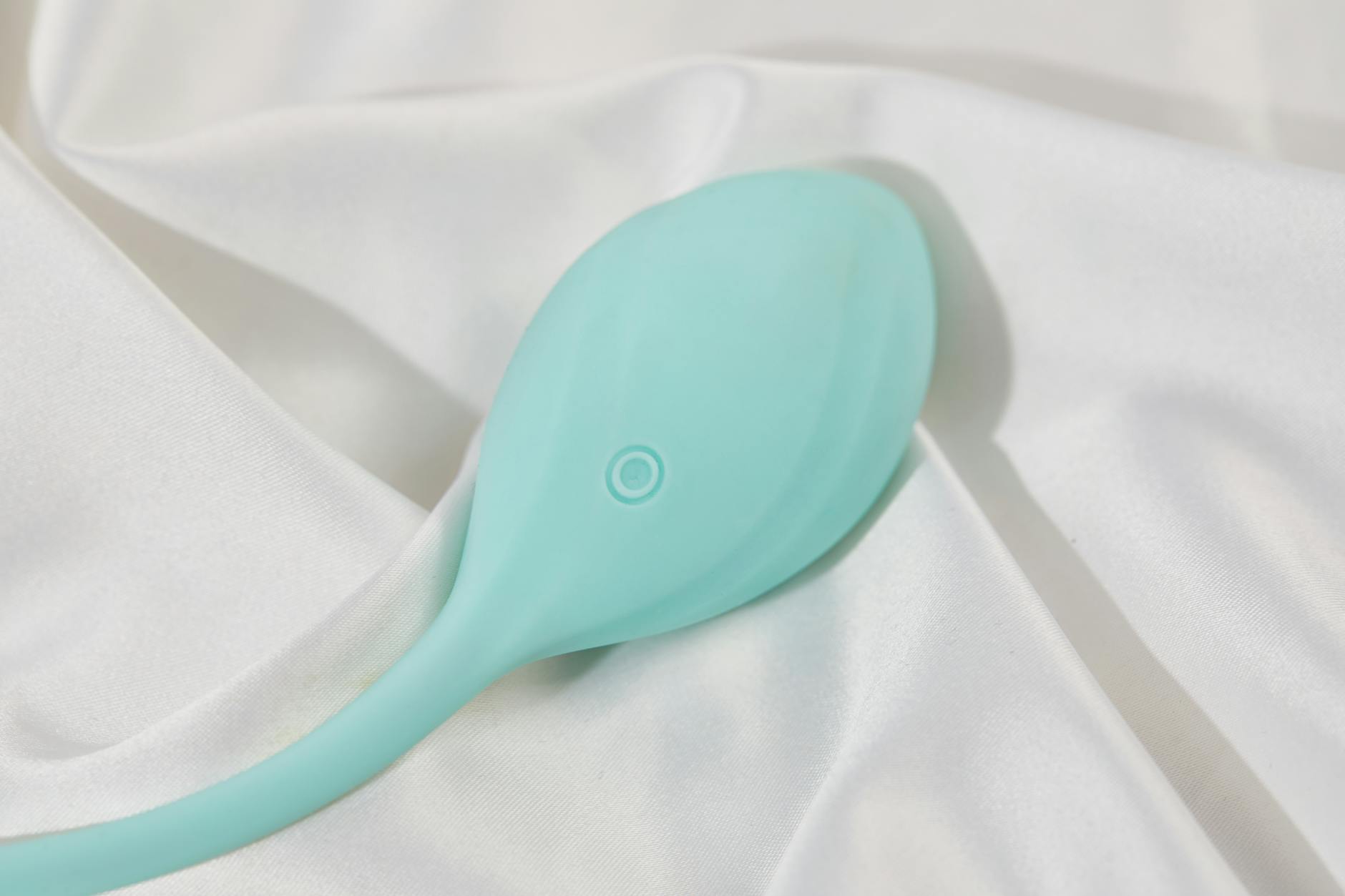
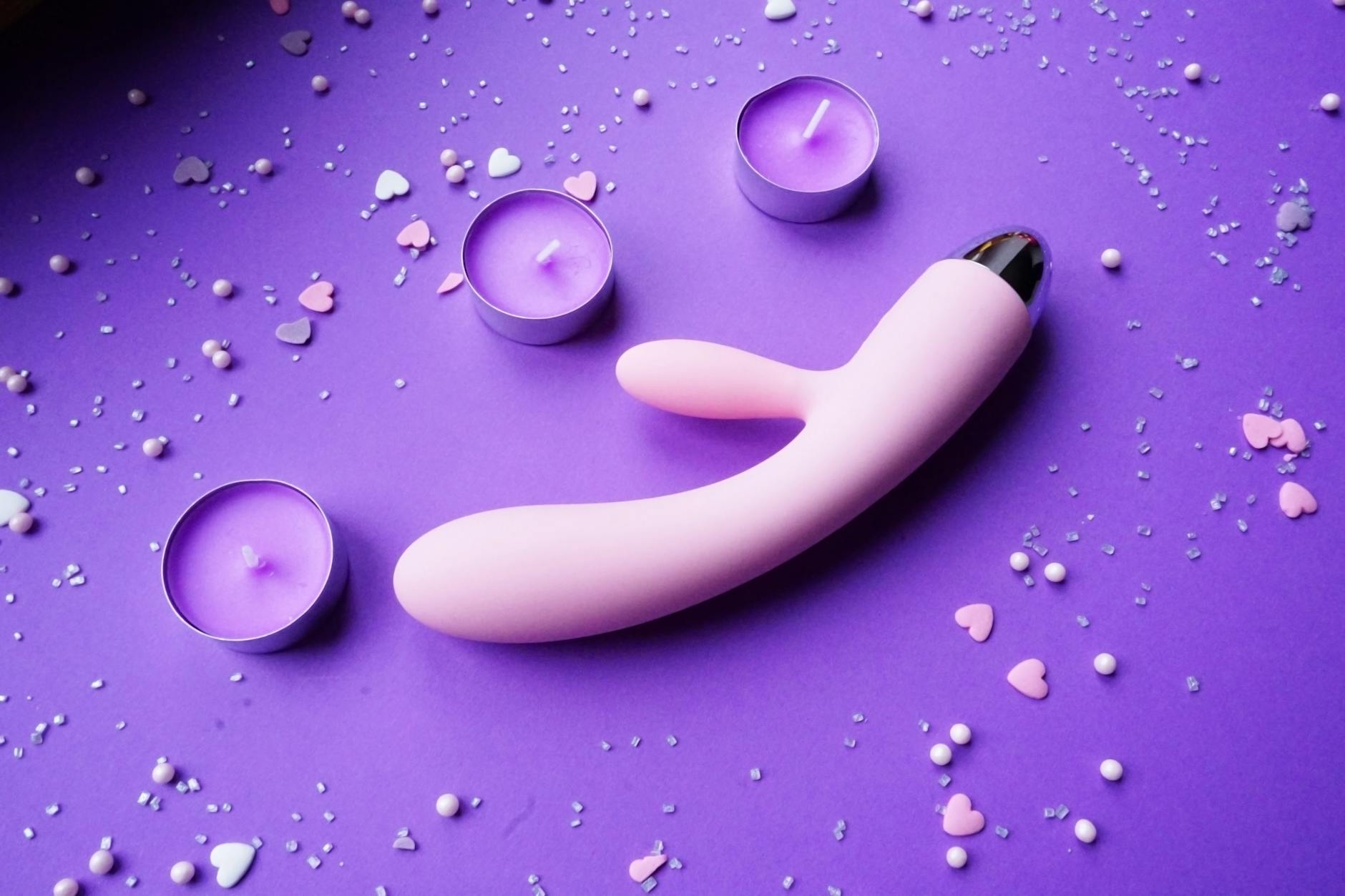
A lemon clitoral vibrator is small, intentional, and precise. It's not a fantasy device. It's not pretending to be a penis or a tongue. It's offering something unique: sustained suction or vibration that a body can't self-replicate. That specificity matters for new couples because it removes the "am I being replaced" anxiety. You can't replace this with your own touch. So your partner doesn't feel like they're failing.
The Lem, specifically, is designed for clitoral stimulation without overwhelming pressure. That matters in new relationships because nervous systems are already activated. A gentle, responsive tool is less likely to overstimulate an already-revved nervous system.
It also means you can use it during partner sex, not instead of it. You're not choosing between penetration and the toy. You're adding a layer. That feels like expansion, not replacement.
Once a couple has introduced a toy early, they tend to have better conversations about pleasure overall. They talk more about what they like. They ask for things. They're less in their heads during sex because they've already proven to each other that they're open to exploration.
And the person who was nervous? Usually becomes the most enthusiastic user. Because they've learned something important: their partner's pleasure isn't a threat. It's something they get to be part of. That's powerful. That builds real intimacy.
I've also noticed that couples who bring toys in early tend to communicate better about other relationship things. Once you've had a vulnerable conversation about "Can we use this together?" and you've both said yes, other conversations get easier. You've already established that you can talk about needs without judgment.
The early relationship is actually the ideal time to do this, even though it feels counterintuitive. You're building the sexual culture of the relationship from the start. You're saying "We talk about this. We explore. We're honest." That becomes the norm.
Timing matters. Don't drop this in week one. You don't have any trust yet. You don't know if this person even wants to touch you, let alone explore pleasure together.
Week three to six is the sweet spot. You've slept together enough times to know there's real chemistry. But you're not yet in the phase where you're pretending everything is perfect. You're still in the window where "different" feels exciting instead of weird.
Don't have the conversation during sex. That's too vulnerable. Have it clothed, in daylight, with tea or a drink. Make it casual. You're not proposing marriage. You're just mentioning something.
Also read the room. If your partner is still asking whether you're seeing other people, or whether this is going anywhere, they're not ready to talk about toys yet. They need reassurance about the relationship first. Tools come after security.
Using a lemon clitoral vibrator together in a new relationship isn't kinky. It's honest. It's saying "I want you to experience my actual body, not the sanitized version I think you want to see."
That's intimacy. Not the flowers and candlelight kind (though sure, add those if you want). The real kind. The kind where someone knows your nervous system and shows up for it anyway.
The best relationships I've worked with are the ones where both people felt safe being exactly what they are from the beginning. A small tool becomes a bigger conversation. The conversation becomes the foundation of everything else.
Should I tell my new partner I own toys before I introduce one?
Not necessarily. There's a difference between "I own these" and "Want to explore this together?" You don't need to give them your entire sexual history. You just need to invite them into the present moment. If things progress and you move in together, sure, they'll find your drawer. But early on, framing it as "I want to show you something I think you'll enjoy" is cleaner than "I have a collection." Simplicity builds trust faster.
What if they say no?
That's information. It doesn't mean the relationship won't work. It means they have some resistance to work through. Some people have weird associations with toys from childhood conversations or exes. That's theirs to process. What matters is how they say no. If it's "I'm not ready yet, but I'm curious," that's different from "That makes me uncomfortable and I never want to talk about it." One is a conversation waiting to happen. The other is a boundary you respect. Both are okay.
Is it weird to introduce a toy if we haven't talked about long-term commitment yet?
No. Pleasure and commitment are different conversations. You can explore together without planning a future. That said, if your partner is someone who conflates sex with commitment, this conversation might trigger that. So pay attention to how they think. If they're someone who assumes sex means forever, introducing a toy might feel like you're getting serious. Make it clear you're just exploring the present.
How do I use a lemon clitoral vibrator during partnered sex without it feeling weird?
Start separately. Use it solo in front of them a few times. Let them see your body respond. Then, when you're together, bring it in for foreplay or the later part of sex when you're both already aroused. Your partner can hold it, you can hold it, you can take turns. The key is that it's part of the collaboration, not a replacement for them. Position matters too. If you're on top or in a position where they can touch you, the toy integrates better.
What if I'm the nervous one in the relationship?
Tell your partner that directly. "I want to try this, but I might feel weird about it at first." Then ask them to be patient. You might need to use it solo a few times before you're comfortable using it together. You might need them to focus on touching you while you use it, so you know they're still present. There's no "should" in pleasure. Only what works for your nervous system.
Can introducing a toy early ruin new relationship chemistry?
If it's done with shame or as a criticism, yes. If it's done with curiosity and consent, no. The conversation and the context matter more than the object. A toy introduced as "I'm bored with your body" will damage things. A toy introduced as "I'm excited to explore with you" will deepen connection. The tool is neutral. The framing is everything.
I want to circle back to something. The reason I encourage couples early on to be honest about pleasure is because it sets a precedent. You're not just introducing a toy. You're introducing a way of being together. One where your bodies matter. Where desire is normal. Where asking for what you want isn't selfish. It's necessary.
Lemon vibrators, like the Lem, are especially useful for this because they're designed around the science of pleasure, not fantasy. They're tools. They work. And using them together tells your partner something crucial: "Your pleasure is worth my attention."
That's the foundation of actual sexual intimacy. And it makes everything that comes after better.
If you're in a new relationship and you're thinking about this, start with the conversation. Not the toy. The conversation. Ask what they think about toys. Ask what they've tried. Ask what they're curious about. Listen without judgment. Then decide together.
That's how you build the kind of relationship where pleasure doesn't have to hide.
Want to talk through how to have this conversation with your specific partner? We're here to help.