Why Lemon Vibrators Work Better for Recovery After Pelvic Floor Physical Therapy
You spent weeks learning to relax your pelvic floor. Here's why suction-based lemon clitoral vibrators support that progress better than buzzing toys, and how to use them safely during healing.
Let's be real. Pelvic floor physical therapy is unglamorous and often uncomfortable. Your therapist spent sessions teaching you to recognize tension you didn't know you were holding, then to consciously release it. That's not a metaphor. You learned a new neuromuscular skill. Your pelvic floor got better at letting go.
Now that you're out of sessions, you want pleasure again. But here's the thing: not all vibrators support what you just learned. Most traditional vibrators actually work against it.
Conventional vibrators work by buzzing. When you use one, your pelvic floor often tightens reflexively in response to the sensation, especially if you're anticipating orgasm. That's a normal protective response. But after pelvic floor PT, that reflex tightening is the exact pattern you were training out of.
The deeper issue: buzzing toys require that "grip and hold" tension to feel good. Your body leans into the tightness to reach orgasm. You're essentially undoing three weeks (or months) of work teaching your pelvic floor muscles to stay soft and responsive.
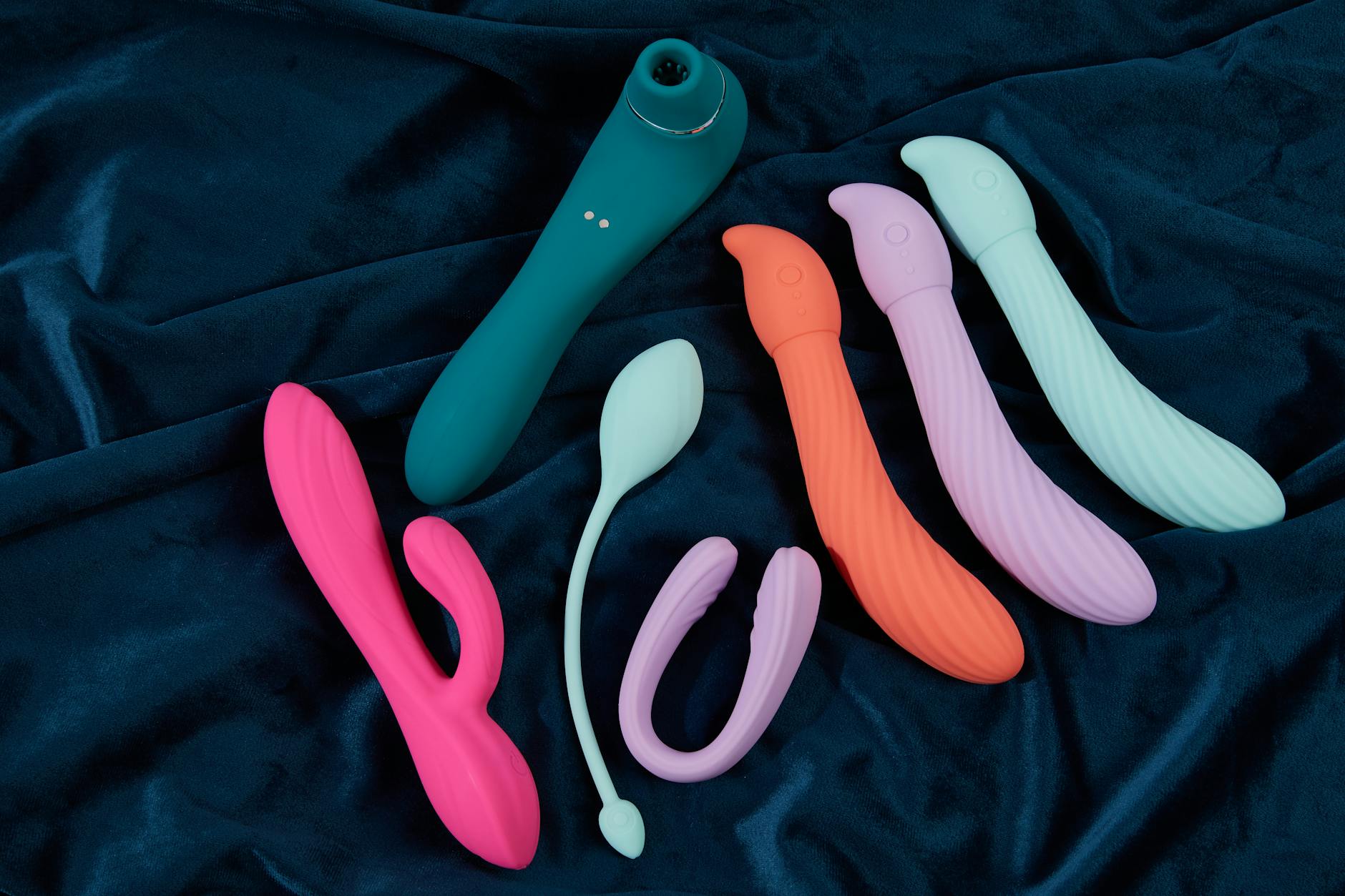
Lemon clitoral vibrators work differently. Their suction-based mechanism doesn't require muscular gripping. Stimulation comes from gentle, rhythmic pressure that your pelvic floor can respond to without clenching. This is especially true if you're using patterns that feel gentler during recovery.
Here's the science part, made simple. Your pelvic floor muscles have two states: engaged and relaxed. Physical therapy taught you to access the relaxed state. Traditional vibrators trigger the engaged state because the sensation is chaotic and unpredictable. Your nervous system doesn't know what to expect, so it braces.
Suction stimulation from lemon adult toys is rhythmic and patterned. Your nervous system recognizes it, predicts it, and therefore doesn't need to brace against it. That's why people often report feeling "calmer" with suction toys during recovery. You're not fighting your pelvic floor. You're working with it.
Another factor: pressure distribution. A traditional vibrator concentrates stimulation in a small, buzzing point. Your body tenses to manage that intensity. Suction spreads the sensation across a wider tissue area with gentler overall pressure. Less localized intensity means less reflexive gripping.
Talk to your physical therapist first. That said, most therapists encourage sexual activity about 1 to 2 weeks after your final session, once you've practiced the relaxation techniques on your own.
Start with solo exploration. Use a lemon vibrator on the lowest setting for about 10 to 15 minutes, focusing on sensation rather than orgasm. The goal is to notice how your pelvic floor responds. Many people find they can feel the difference between the tension they had before PT and the relaxation they now have available. That's your nervous system learning that pleasure and relaxation can happen at the same time.
Building back to orgasm takes patience. You might not feel an orgasm for the first few sessions, and that's completely normal. Your body is integrating two new skills at once: staying relaxed and experiencing pleasure. That's not failure. That's exactly what recovery looks like.
Start at pattern one. Most lemon vibrators have multiple suction intensities. Resist the urge to crank it. Gentler patterns give your nervous system less to defend against. You can increase intensity once you feel confident in your pelvic floor's ability to stay soft.
Lubricate generously. Water-based lube reduces friction and makes the sensation feel smoother rather than intense. This matters even more during recovery because it decreases the likelihood of reflexive tension.
Warm up longer than you think you need to. Spend 10 to 15 minutes on foreplay or external stimulation before using the lemon vibrator. A well-aroused pelvic floor is more likely to stay relaxed. Rushing straight to the toy increases tension.
Notice your breath. Seriously. The moment people get close to orgasm, they often hold their breath. Breath-holding is a cue for pelvic floor tension. If you feel yourself holding your breath, slow down. Breathe. This single habit supports relaxation better than anything else.
If pain appears during or after using a lemon vibrator, stop. Pain during recovery is a sign you're asking your pelvic floor to do too much, too fast. Check in with your physical therapist before trying again.
If you notice increased urge to urinate or sudden cramping afterward, scale back intensity or duration. Your pelvic floor might need more time. If those symptoms persist, that's a conversation for your PT or gynecologist.
Also worth noting: some people take longer to feel pleasure again. If it's been three or four sessions and nothing's shifting, don't panic. Your nervous system is healing. This is normal. A lot of people need to see their therapist for one or two "tune-up" sessions to rebuild confidence. There's no shame in that.
If you have a partner, the relaxation skills you learned transfer directly. You might find that penetrative sex feels different now. More sensations. Sometimes less sensation at first. That's because your pelvic floor isn't gripping defensively anymore. You're feeling actual tissue response instead of muscular tension. It takes time to recalibrate what feels good.
Many people find that lemon vibrators work beautifully during partnered sex too. The suction sensation pairs well with penetration without requiring the mutual tension that traditional vibrators sometimes create. If your partner is nervous about toys, the gentler profile of suction stimulation is often an easier entry point to couples' exploration.
Pelvic floor PT teaches you that pleasure and relaxation aren't opposites. Your recovery isn't a detour from pleasure. It's a foundation for deeper, more consistent pleasure. Using tools that support that foundation, like lemon clitoral vibrators, makes the difference between bouncing back and truly healing.
Your pelvic floor worked hard during recovery. Now it gets to enjoy what it learned.
Most physical therapists recommend waiting 1 to 2 weeks after your final session. Use that time to practice relaxation techniques solo. When you do reintroduce a vibrator, start on the lowest setting and focus on sensation, not orgasm. If your therapist gave you specific guidance, follow that. Every person's recovery timeline is different.
Suction stimulation is rhythmic and predictable, which means your nervous system doesn't brace against it. Traditional vibrators create chaotic stimulation that often triggers reflexive pelvic floor tightening. That tightening is the exact pattern you were training out of in therapy. Suction-based lemon clitoral vibrators let your pelvic floor stay relaxed and responsive.
Ask your therapist first. Some therapists recommend avoiding vibrators during active treatment because you're still retraining your nervous system. Others are fine with it on lower settings once you've made progress. Don't assume. One quick conversation prevents setbacks.
Stop immediately. Cramping or pain means your pelvic floor is tensing up more than it should during recovery. This could mean you need more time, lower intensity, or a brief tune-up session with your therapist. Pain is information. Listen to it.
Often, yes. Before PT, you might have been orgasming while your pelvic floor was chronically tight. After PT, your pelvic floor is more relaxed, so you'll feel different sensations. Some people report stronger orgasms. Some feel orgasms take longer to build. Both are normal. Your body's re-learning how to experience pleasure from a more relaxed baseline.
Pay attention to your breath and your lower abdomen. If you're holding your breath or feel tightness in your lower belly, your pelvic floor is probably gripping. Slow down. Breathe deeply and steadily. After a few sessions, you'll recognize the difference between the relaxed sensation you learned in PT and any tension creeping back in. That awareness is your best tool.
Your pelvic floor physical therapy was an investment in your long-term pleasure and health. Using tools that support that investment, like hello nancy's lemon vibrators, keeps you moving forward instead of backward. Recovery isn't a pause on pleasure. It's the beginning of better pleasure.