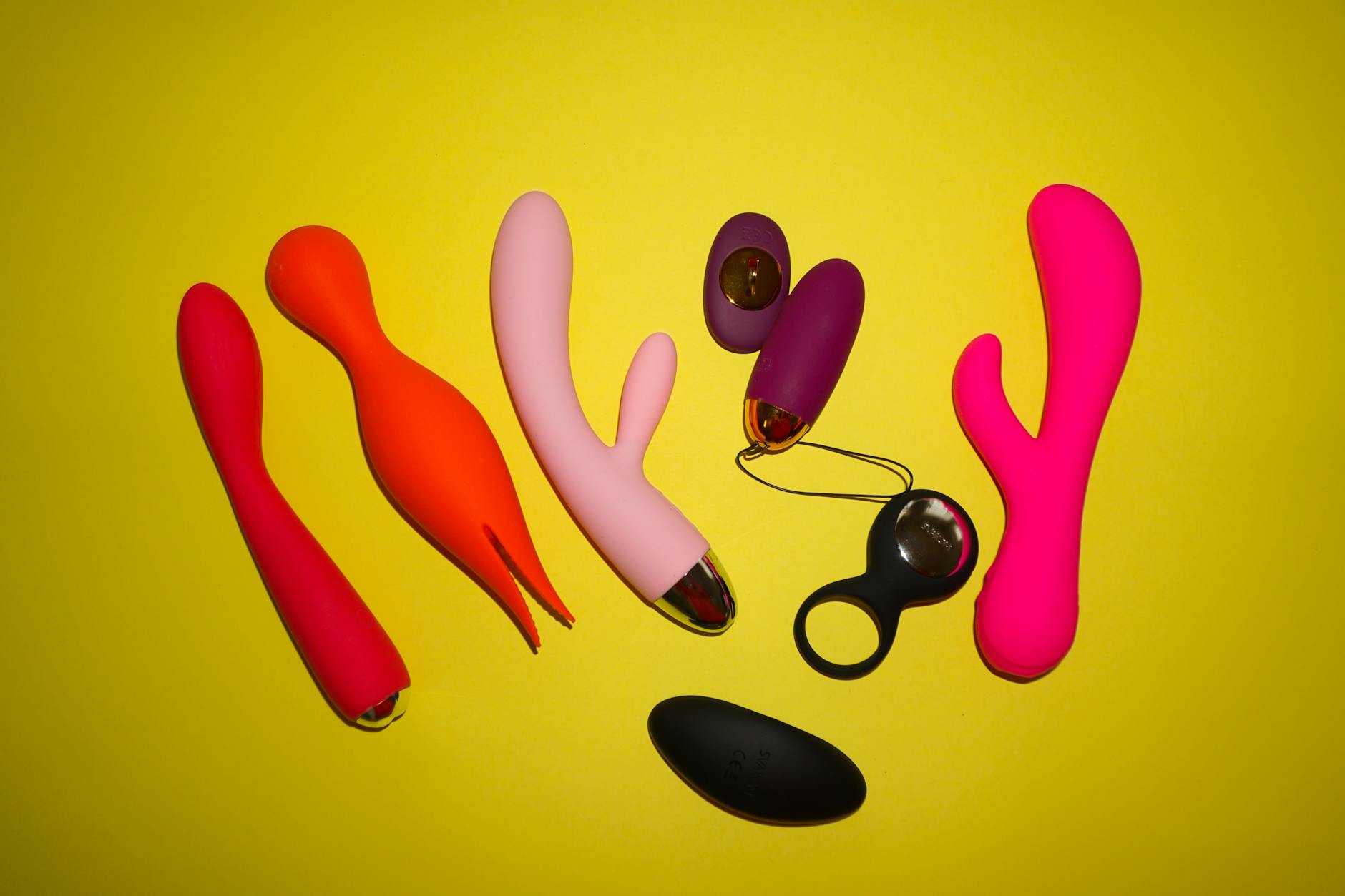
Does a Lemon Vibrator Feel Different After Hormone Changes?
Estrogen shifts change tissue sensitivity and arousal speed. Here's what that actually means for suction vibrators, and how to make them work even better for your body right now.
Yes. And that's not a problem you need to solve. It's information you need to understand.
Hormonal changes affect arousal speed, tissue thickness, and how intensely suction registers on your body. If you've been using a lemon clitoral vibrator and suddenly it feels "off," or if you're thinking about trying one for the first time during or after a hormonal transition, knowing what's actually changing helps you adapt instead of giving up.
Let's separate the physiology from the panic. When estrogen drops, three concrete things happen that touch directly on how clitoral vibrators feel.
The tissue gets thinner. Estrogen supports the health of the vulva's outer and inner tissue. As it declines, that tissue becomes more delicate. This means suction that felt pleasant before might feel sharper now, or a setting you loved suddenly feels too intense. It's not that your body is broken. It's that the surface area responding to the suction has changed.
Arousal takes longer to build. Estrogen also influences blood flow to the genitals. Lower estrogen equals slower engorgement, which means the clitoris might not be as plump and accessible as before. A lemon vibrator that used to work in three minutes might need five or six. Again, not a failure. Just a timeline shift.
Natural lubrication drops. Many people assume this only matters for penetration, but it matters for external play too. Without enough natural moisture, the suction seal on a vibrator like the Lem can feel sticky or uncomfortable instead of smooth.
The good news: none of these changes make the vibrator unusable. They just require you to be intentional about technique and timing.
Here's where the narrative flips. Suction vibrators like lemon adult toys have one major advantage through hormonal changes that older vibration-only devices don't have: precision without pressure.
When tissue is thinner and more sensitive, you don't want blunt vibration hammering the same spot. Suction pulls instead of battering. That pull can feel gentler and more nuanced on delicate tissue, especially if you're using the lower settings.
This is why many people discover that suction vibrators work better for them after hormonal shifts, not worse. You're not dealing with a sensitivity that makes pleasure impossible. You're dealing with a sensitivity that makes less-is-more approaches actually feel incredible.
If you're in perimenopause, menopause, postpartum, or any hormonal transition, expect a 2-3 week adjustment period when you go back to your regular routine or start a new one.
During that window, lower your baseline intensity by 1-2 settings from what you used before. Start with pattern 1 or 2 on a lemon clitoral vibrator instead of jumping to pattern 3 or 4. Spend more time on warm-up. Two minutes of external stimulation, external caressing, or mental arousal before you bring the vibrator into the picture.
Then pay attention to what actually feels good right now, not what felt good last year. Your body is giving you real data. The suction intensity that felt dull before might feel perfect now at a lower setting, because the reduced pressure is letting you feel more texture and nuance.
Most people adjust completely within a month. Some find they prefer their new baseline and never go back.
I recommend water-based lubricant for everyone who uses a clitoral vibrator, but if you're going through hormonal changes, it moves from "nice to have" to essential. Here's why.
Without lube, the seal between the vibrator and your body can feel tugging or uncomfortable. With lube, that seal becomes frictionless and smooth. The suction sensation registers as pure suction, not suction-plus-stick.
Use a dime-sized amount of water-based lube on the rim of the vibrator before you position it. If you're using the Lem or another lemon vibrator, this is especially important because the seal is the whole mechanism. A tiny bit of lube transforms the experience from "this feels too intense" to "this feels exactly right."
Reapply every few minutes if needed. It's not cheating. It's understanding your body's current needs.
Some people find that slowing down is actually perfect. Instead of five minutes to orgasm, it takes ten. But those ten minutes feel richer because you're not chasing speed.
Other people feel frustrated by the slower timeline. Both responses are valid. If you're frustrated, experiment with this: spend the first 5-7 minutes on external stimulation without the vibrator. Use your hands, your partner's hands, your imagination, a partner's mouth. Get your body genuinely aroused before you bring the device in.
When tissue is engorged and blood is flowing, the vibrator works faster and feels better. You're not adding extra time to your routine. You're shifting where that time happens. For many couples, this actually deepens intimacy because there's more shared touch before the device enters the picture.
There's a difference between "this feels different" and "this feels painful." Know the line.
Different: the suction feels sharper, or intensity that used to work now feels strong, or arousal takes longer, or you need lube when you didn't before. These are normal hormone-response patterns. Adjust your approach and you're fine.
Wrong: pain during or after use, rawness, micro-tears, or stinging sensation. If this shows up, how to use lemon vibrators safely if you have vaginal dryness covers this in detail. The short version: stop using the device, add serious lubrication, and if pain persists, check in with a gynecologist. Genitourinary syndrome of menopause is real and treatable. You don't tough it out.
If you use a lemon clitoral vibrator with a partner, your transition matters to both of you. This is one of those moments where transparency saves a lot of confusion.
Instead of "the vibrator doesn't work anymore," which sounds like product failure, try "my body's responding differently to stimulation right now, and I need to adjust the settings and timing." That's information, not complaint. Your partner might be relieved to know it's not about them, and you get to reset expectations together.
Some couples find that hormonal transitions actually improve partnered play because they slow things down naturally. The focus shifts from quick orgasm to exploration. For many people, that's when sex gets interesting.
Here's what I see in my practice: people often grieve the speed of arousal when hormones shift. "It used to be instant, and now it takes a while." That feels like loss. But speed was never the goal. Pleasure was.
A slower arousal curve that leads to more intense sensation? That's not a downgrade. It's a different experience, and many people find it better once they stop comparing it to the old timeline.
Your body isn't breaking. It's changing. And that change, handled with patience and the right tools, can open up sensations and connection you didn't have access to before.
Probably not right away. Most people need to start 1-2 settings lower after significant hormonal changes and then work their way back up if they want to. Some find the lower settings feel better and stick with them. Your current body's response matters more than what you did last year.
Yes. Suction tends to feel gentler on sensitive tissue because it pulls rather than vibrates in place. Many people find suction vibrators work better during hormonal transitions than vibration-only devices, even though they felt about the same before. If you're new to suction devices, a hormone transition can actually be a good time to try one.
Most people adapt within 2-3 weeks of consistent use with adjusted settings and added lubrication. By 4-6 weeks, new baseline has usually established itself. Some people feel the difference immediately and just change their approach. Others need a few weeks to notice the adjustment period was temporary.
Completely normal. Slower arousal is a direct result of lower estrogen affecting blood flow. It's not permanent, and it's not a sign that something's wrong. It's just biology. Adding longer foreplay usually makes the entire experience feel better anyway.
Depends on the transition. If it's perimenopause, tissue sensitivity can fluctuate. If it's post-menopause, lower estrogen becomes your baseline. Most people adapt and find new sensations they prefer. Topical estrogen creams can help if medical professionals recommend them, but adjusting your approach and lubrication usually solves 80% of the discomfort.
No. Consistent gentle use actually helps blood flow and tissue health. What changes is settings, lubrication, and arousal time. You're not taking a break. You're adapting your approach.
Your body is sending you new information. Your lemon clitoral vibrator is still excellent. The settings and timing just need adjusting. That's it. You're not broken. The device isn't broken. You're both just responding to something real and manageable.
If you want to explore how your body is responding now, or if you have questions about what's normal during your specific transition, get in touch. That's what we're here for.