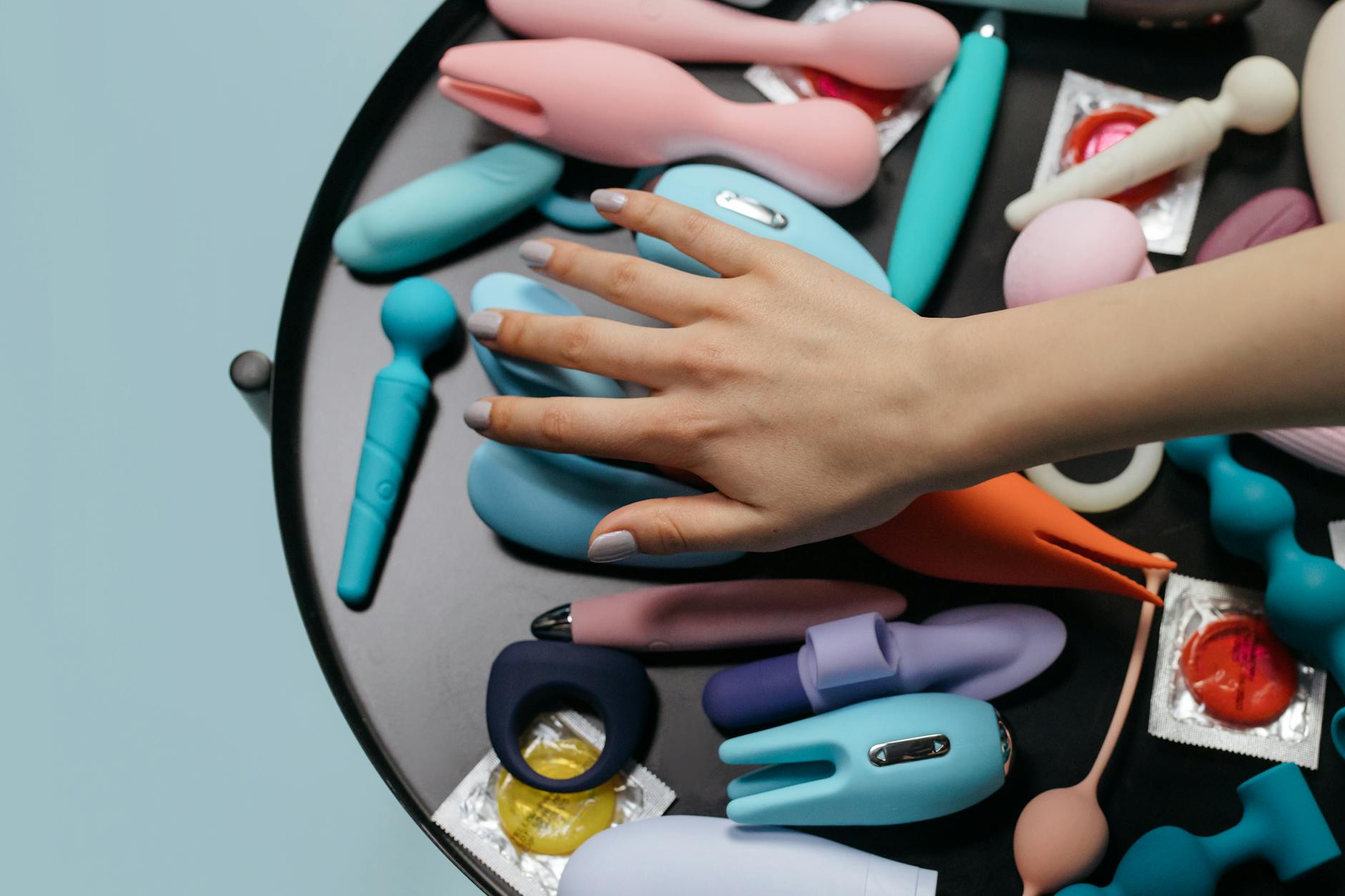
Why Lemon Vibrators Are Better for Partners Who Want Shared Pleasure
Lemon clitoral vibrators aren't just solo toys. They're conversation starters, intimacy builders, and a way couples can align desire without the awkward fumbling.
Most couples don't talk about vibrators until the conversation feels like a minefield. Someone suggests it. The other person hears criticism. The vibrator becomes a symbol of something broken instead of something fun. And nothing happens.
Lemon vibrators, especially air-suction clitoral toys like the Lem, change that equation because they ask a different question entirely. Instead of "do you need this to finish," they ask "do you want us to feel this together." That shift matters.
Here's what I see clinically. Couples who've been together five, ten, twenty years often hit a rhythm where penetration feels automatic and pleasure becomes one-sided. The partner with a penis or strap focuses on their own sensations. The partner with a vulva is waiting for it to be over, or faking, or both. Neither person is happy, but nobody knows how to name what's wrong.
A lemon vibrator doesn't fix bad communication, but it creates a reason to have one. When you introduce a clitoral suction toy into partnered sex, suddenly there's a new sensations to build around. It's not about the toy. It's about what the toy represents: permission to prioritize mutual pleasure over performance.
Most couples have tried a bullet vibrator at some point. Fast, loud, one-dimensional. It gets used for five minutes, feels clinical, and gets shoved in a drawer. Lemon vibrators, particularly air-suction designs, feel nothing like that.
The suction sensation is rhythmic but not buzzy. It stimulates without overwhelming. And crucially, you can still have penetration at the same time. Your partner can enter while the Lem works. This changes everything because neither person has to stop what they're doing. There's no awkward pause where the toy comes out and someone scrambles to regain momentum. It's integrated. Fluid. Natural.
That accessibility is huge. A lot of people with vulvas can't orgasm from penetration alone. If that's true for your partner, traditional sex can feel like it's built for someone else's body. Adding a lemon clitoral vibrator suddenly makes penetration an actual pathway to their pleasure, not just foreplay for yours.
Timing and framing matter wildly. Don't lead with "we should spice things up." That implies things are boring, which the other person will hear as criticism whether you mean it that way or not.
Instead, approach it as curiosity. "I read that this toy can feel really good during sex. I want to try it with you." Notice the language: with you, not instead of you. You're not replacing anything. You're adding a new sensation to the repertoire you already share.
Don't do it on a night when sex is already scheduled. That adds pressure. Introduce it on a night when you're already intimate, already aroused, already relaxed. That's when someone's brain is open instead of defensive.
And be prepared to hear no. Sometimes the no is about the toy. Sometimes it's about deeper stuff—fear of inadequacy, anxiety about being perceived as kinky, discomfort with devices in general. Honor that. Lemon vibrators work best when both people actually want them, not as a way to convince someone they should want more.
Four things I see happen in couples who integrate clitoral suction toys into their sex life:
Pleasure becomes less asymmetrical. When both people are focused on the same sensations, the experience feels more mutual. It's harder to drift into your own head or count the minutes.
Communication becomes easier. A toy creates language for things that were previously awkward to talk about. "Can we use the Lem tonight" is so much simpler than "I need you to touch me differently" or "I don't think I'm going to come."
Penetration doesn't carry all the weight. This one matters. A lot of couples unconsciously believe that penetration should be enough to create pleasure for both people. When it's not, resentment builds. The toy removes that impossible expectation.
Orgasm becomes less of a finish line. When you're using a clitoral vibrator during partnered sex, the rhythm is different. Your partner can last longer because the focus isn't entirely on them. You can take time. Pleasure becomes the point instead of climax.
Before you use a lemon vibrator with a partner, talk about these things. Not in a clinical way. Just in bed, or before bed, when you're both relaxed.
When do you want to use it. Every time? Sometimes? Only when someone specifically needs it? This prevents the weird dynamic where one person thinks it's a special occasion thing and the other is ready to use it nightly.
Who controls it. Does your partner hold it? Do you? Does one person take turns? Handing over control is intimate in a specific way, and people have different comfort levels.
What you're both getting out of it. For some people it's about orgasm. For others it's the novelty. For others it's about feeling seen, or feeling like their partner cares about their pleasure. Those are different things, and knowing which one matters to whom prevents confusion.
Where it fits in sex. During penetration? Before? After? These logistical questions matter because they affect the flow of intimacy.
I'm not going to tell you that a toy fixes a broken marriage. It doesn't. But for couples who already care about each other and want more connection, a lemon clitoral vibrator can be a genuine turning point.
It's a permission structure. It says mutual pleasure matters. It says your partner's body and sensations deserve attention. It says this is collaborative, not performative. And for a lot of couples, that's the difference between sex that feels obligatory and sex that feels like play.
One more thing: the toy works better when you're both genuinely into it. That means you might need to use it on your own first, alone, to get comfortable with it. That way when you introduce it together there's no performance anxiety. You already know what it feels like. You're not discovering the toy while discovering your partner's reaction simultaneously. The stakes are lower, the pleasure is real, and the conversation becomes about what you both want instead of whether the toy is good.
If you're buying a lemon clitoral vibrator for partnered use, a few things to consider. The Lem is popular because the suction doesn't interfere with penetration. It's quiet enough that you're not awkwardly aware of the sound. And the sensation is intense without being loud about it.
Clean it before you use it, obviously. Silicone toys should be washed with warm water and mild soap or a toy cleaner. If you're sharing it, that hygiene step becomes part of the intimate ritual, not an afterthought.
Start on a lower setting. Suction intensity is different for every body, and what feels amazing to one person might feel too strong to another. You have time. Explore at your own pace.
Can you use a lemon vibrator during penetration with a partner?
Yes, absolutely. That's one of the main reasons couples choose air-suction clitoral vibrators like the Lem. You can use it during penetration because it doesn't require you to stop thrusting or change position. Your partner can hold it, you can hold it, or you can position it so both of you have a hand near it. The sensation is rhythmic and stimulating without being restrictive.
Do lemon vibrators make partnered sex feel less intimate?
Opposite, usually. For a lot of couples, adding a clitoral vibrator makes sex feel more intimate because both people's pleasure is centered. There's less of the awkward dynamic where one person is focused on finishing and the other is focused on waiting. Instead, you're both paying attention to the same sensations. You're both present. You're more connected, not less.
How do I bring up using a lemon vibrator without hurting my partner's feelings?
Frame it as curiosity and collaboration, not criticism. "I read about this toy and I want to try it with you" is very different from "we need to spice things up." Don't do it on a night when sex is already scheduled, which adds pressure. Bring it up casually, be prepared for no, and make sure your partner knows this is about adding to what you already share, not replacing anything.
Is it normal for a partner to feel insecure about a clitoral vibrator?
Completely normal. A lot of insecurity comes from the belief that if you need a toy, it means your partner isn't enough. That's not true, but it's a real fear. Address it directly and gently. A vibrator is a tool. It's not a referendum on your partner's skills or your desire. Many people orgasm more easily with external stimulation, and that has nothing to do with whether they find their partner attractive or want them.
Can a lemon vibrator help if one partner has a lower sex drive?
It might. If the lower-drive partner avoids sex because they know they won't orgasm, a clitoral vibrator can change that equation. It makes sex feel mutually pleasurable instead of one-sided. But a vibrator can't fix a mismatch in desire caused by depression, resentment, stress, or relationship problems. Those need actual conversation and sometimes therapy. The toy helps with the physical part, not the emotional part.
How often should we use a lemon vibrator during partnered sex?
Whatever feels good to both of you. Some couples use it every time. Others use it occasionally. Neither is right or wrong. It's just preference. What matters is that you've talked about it and you're both on the same page about when and how.
Lemon vibrators aren't a magic fix. But for couples who want to explore mutual pleasure, communicate more openly about sex, and build intimacy that feels less performative and more collaborative, they work. The suction sensation is real and different. The fact that they don't interrupt penetration matters. And the conversation you have to introduce one is often the most valuable part.
Start by talking. Then start by playing. See what works. Your pleasure, both of you, deserves that attention.