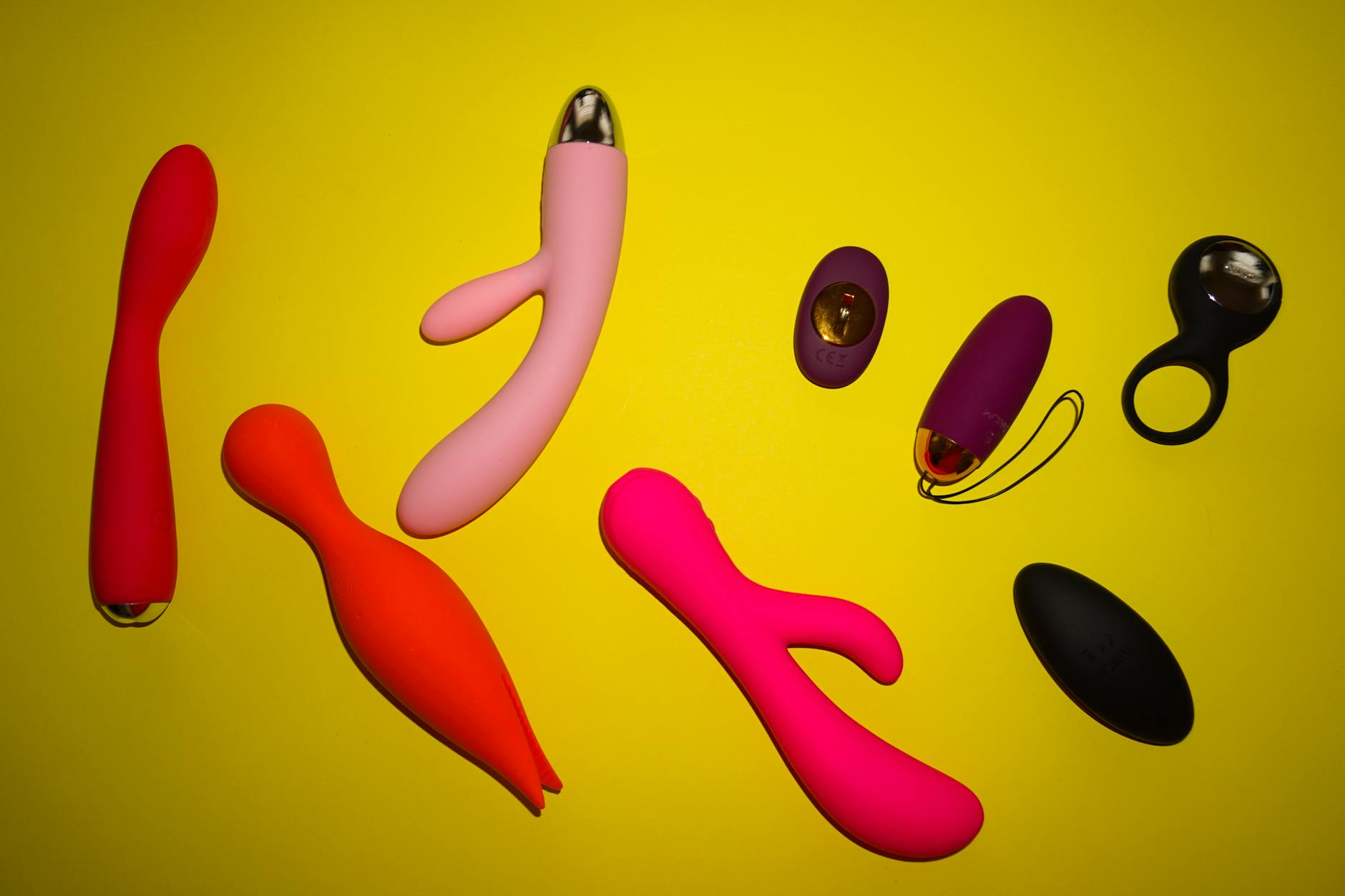
Does Lemon Vibrator Sensation Change During Your Menstrual Cycle
Your sensitivity isn't random. Estrogen and testosterone fluctuate across four distinct phases, and your lemon clitoral vibrator responds to every shift. Here's what happens when.
Your sensitivity to touch isn't static. It swings wildly across your cycle. Not in a broken way. In a biological way.
This affects how your lemon vibrator feels week to week. Same device. Different sensation. Once you map it out, you can stop forcing pleasure during low-sensitivity phases and start leaning into the peaks.
Day one of your period through ovulation is when estrogen climbs steadily. Your clitoral tissues swell slightly with blood flow. Nerve endings become more responsive. This is why many people find that the first two weeks post-period feel easier to become aroused.
With a lemon vibrator specifically, you'll notice the suction sensation registers more intensely during this phase. The tissue is plumper, more elastic. Stimulation builds faster. Your orgasms often feel bigger and more full-body.
What to do: This is when you experiment with higher intensity settings on your lem vibrator. Try patterns you usually skip. Your body is primed for sensation.
In the late follicular phase (about five to seven days before ovulation), arousal reaches a peak. Testosterone surges alongside estrogen. This is often the week people describe as feeling most present, most confident, most turned on. Your lemon sucker works beautifully here because you have the mental clarity and physical readiness to enjoy it fully.
Ovulation itself lasts about 24 hours. But the window around it is notable. Estrogen peaks, then dips sharply. Testosterone crests. Your body temperature rises slightly. Everything feels amplified.
Many users report that this is when their lemon adult toys deliver the most satisfying sensation. The combination of tissue fullness, neurological sensitivity, and hormonal motivation creates a nearly perfect condition for pleasure.
This is not the time to second-guess yourself or worry about whether you're doing it right. Your body knows what it wants. Your sensitivity is telling you something true.
After ovulation, progesterone begins to climb. Estrogen stays lower. This is the two-week stretch where many people experience a noticeable shift. Arousal takes longer to build. Sensation feels muted. Your clitoral tissues are less engorged.
This doesn't mean pleasure goes away. It means it changes shape. The lemon vibrator that felt urgently good in week two now needs more time. Your body might crave longer sessions, lower intensity, more context (partner time, mood-setting, mental focus).
Some people find that switching to lower vibration patterns here helps. Others prefer turning to partner play or manual stimulation instead of their lemon clitoral vibrator. Both are smart moves. You're not broken. You're responding to real hormonal shifts.
Mid-luteal phase (about seven to ten days before your period), progesterone peaks. This is often when sensitivity dips lowest. Irritability rises. Pleasure feels further away. This is normal, and it's temporary.
Hormones crash. Estrogen and progesterone both plummet. You might expect sensation to vanish entirely, but that's not quite right.
Many people find that clitoral sensitivity during the period itself is surprisingly good. The clitoris has significant autonomic nerve pathways that stay active even when reproductive hormones drop. Plus, increased pelvic blood flow during menstruation can actually enhance sensation.
What changes is arousal context. Mental focus is harder. Energy is lower. Some people experience cramping or discomfort that interferes with pleasure.
If you do want to use your lemon vibrator during your period, a few adjustments help. Take longer to warm up. Use lower intensity. Have a heating pad nearby. Many people find that gentle suction (patterns one or two) feels better than any vibration-only toy during this phase.
The suction mechanism in lemon sexual toys makes them particularly sensitive to these hormonal shifts. Unlike traditional vibrators, which stimulate through rapid oscillation, suction works by creating a pressure gradient against tissue. Tissue elasticity and blood flow directly affect how that feels.
When your tissues are fuller and more elastic (high estrogen), suction registers as more intense and satisfying. When tissues are thinner (low estrogen), the same suction pattern might feel less dramatic. This is why how to find the right lemon vibrator intensity for your sensitivity level becomes crucial information across your cycle.
Your cycle isn't identical to anyone else's. The timeline I've described is a template, not a prescription.
Spend two to three months noticing your own response. When do you reach for your lem vibrator most? When does it feel best? When do you prefer something else entirely? Write it down. A simple note in your calendar app: "week two, great with lem," or "week four, needed extra time."
This isn't journaling for its own sake. It's data that helps you stop fighting your body and start working with it. You can plan ahead. You can adjust expectations. You can choose the right tool for the phase you're in.
If you're partnered, your cycle affects not just masturbation but partnered sex too. Some phases you want your lemon vibrator integrated into sex. Other phases you might want something totally different.
The conversation to have is: "My pleasure and arousal change predictably across my cycle. Sometimes I want toys involved. Sometimes I don't. Here's when each feels right." How to use lemon clitoral vibrators with a partner during sex digs deeper into this.
Partners often feel relieved to learn this. It removes the confusion of "why didn't that work last time?" The answer isn't that something is wrong. It's that your body is responding to hormones, not to your partner's technique.
If you use hormonal birth control, your cycle becomes flatter. Estrogen and progesterone stay more constant. Many people on hormonal birth control find that their sensitivity to toys, including lemon clitoral vibrators, also becomes more consistent. Less drama week to week. Some people love this. Others miss the natural peaks.
If you're transitioning across hormone changes, or if you're dealing with irregular cycles, cycle tracking becomes harder but not impossible. You might notice sensitivity shifts tied to stressors, sleep, or exercise instead of calendar dates.
Your lemon vibrator isn't one fixed experience. It's a tool that works differently depending on where you are in your cycle. The orgasm you have in week two might feel entirely different from the one in week four. Neither is better. They're just different.
Once you accept that, you stop expecting one intensity setting or one routine to work forever. You start paying attention. You start trusting what your body is telling you. And that's when your lemon adult toys become truly useful, not just occasionally satisfying.
Progesterone peaks in the luteal phase and suppresses arousal. Additionally, estrogen drops, which means your clitoral tissues are less engorged with blood. Less blood flow equals less fullness, which affects how suction registers against tissue. This is a normal hormonal effect, not a malfunction.
Yes. Many people find that clitoral sensation is surprisingly responsive during menstruation because of increased pelvic blood flow. The main barrier is usually cramping or mental focus. If you do use your lemon clitoral vibrator during your period, gentler settings (patterns one or two) often feel better than higher intensities.
Hormonal birth control flattens your cycle, which means your sensitivity also becomes more consistent. You lose the monthly peaks and valleys. Some people on the pill find that their lemon vibrator feels steadier and more predictable. Others miss the natural surges in arousal. Both experiences are normal.
Completely. Testosterone and estrogen fluctuations directly affect desire and physical responsiveness. During high-hormone phases, you biologically crave more stimulation. During low-hormone phases, pleasure takes more effort. This isn't you being inconsistent. It's your body responding to chemistry.
If sensation shifts predictably across your cycle, your device is fine. If you notice the same pattern month after month (high sensitivity weeks two and three, lower sensitivity weeks four and one), that's your hormones, not a malfunction. A broken vibrator would feel weak or dead regardless of cycle timing.
If your cycle is irregular or nonexistent, you might notice sensitivity tied to other factors instead. stress, sleep quality, exercise, or relationship context might drive your responsiveness more than hormonal timing. You can still track patterns. They'll just be less calendar-predictable.
Your body runs on a four-week rhythm. Your lemon vibrator works within that rhythm, not against it. Once you understand how hormones shape your sensation, you can stop expecting yourself to feel the same way every week. You can use your lem vibrator strategically. You can respect the phases when intensity matters less and presence matters more. And you can lean hard into the weeks when your body is ready to respond.